Table of Contents
ToggleReading and literacy development forms the foundation of lifelong learning. Children and adults who read well can access information, communicate effectively, and succeed in school or work. But what exactly does literacy development mean, and how does reading ability grow over time?
This article explains reading and literacy development in clear terms. It covers the stages children move through as they learn to read, the factors that shape literacy skills, and practical ways to support readers at any age. Whether someone is a parent, teacher, or curious learner, understanding these concepts can make a real difference.
Key Takeaways
- Reading and literacy development is a lifelong process that includes five core components: phonemic awareness, phonics, fluency, vocabulary, and comprehension.
- Children typically progress through predictable stages of reading development, from pre-reading (birth to age 5) through advanced reading (ages 9+).
- Home environment, quality of instruction, and early language exposure significantly influence how literacy skills develop.
- Reading aloud daily, building vocabulary through conversation, and teaching phonics systematically are proven strategies to support reading and literacy development.
- Early intervention is critical—addressing reading struggles as soon as they appear produces far better outcomes than waiting to see if a child catches up.
- Making reading enjoyable by letting children choose their own books helps build motivation and creates a positive cycle that accelerates literacy growth.
Understanding Literacy Development
Literacy development refers to the process of learning to read, write, and communicate through written language. It begins in infancy and continues throughout life. Reading and literacy development involves multiple skills working together, decoding words, understanding meaning, building vocabulary, and connecting ideas.
Reading and literacy development is not a single skill. It includes:
- Phonemic awareness: Recognizing and manipulating individual sounds in words
- Phonics: Connecting letters to their sounds
- Fluency: Reading smoothly with speed and accuracy
- Vocabulary: Knowing word meanings
- Comprehension: Understanding what text means
These five components, identified by the National Reading Panel, form the core of reading instruction. Each piece supports the others. A child who struggles with phonics will read slowly, which affects comprehension. Someone with limited vocabulary may decode words correctly but miss the meaning.
Literacy development also includes writing skills. Reading and writing reinforce each other. When children write, they practice spelling patterns and sentence structure. When they read, they see how skilled authors organize ideas. This connection strengthens both abilities.
Early literacy development happens before formal schooling starts. Babies who hear language often develop stronger vocabularies. Toddlers who explore books learn that print carries meaning. These early experiences create a foundation for later reading and literacy development.
Key Stages of Reading Development
Reading and literacy development follows a predictable pattern. Most children move through similar stages, though the timing varies. Understanding these stages helps parents and educators provide the right support at each phase.
Pre-Reading Stage (Birth to Age 5)
Children in this stage are not yet reading independently. They learn that books contain stories and information. They recognize familiar logos and signs. They start connecting sounds to letters. Picture books, nursery rhymes, and alphabet songs support reading and literacy development during this period.
Emergent Reading Stage (Ages 5-6)
Children begin decoding simple words. They use pictures and context to guess unfamiliar words. They recognize common sight words like “the” and “and.” Reading feels effortful at this stage. Children need encouragement and patience as they practice.
Early Fluency Stage (Ages 6-7)
Readers start recognizing word patterns automatically. They read simple books with less effort. Comprehension improves because less mental energy goes toward decoding. Reading and literacy development accelerates when children reach this stage.
Fluent Reading Stage (Ages 7-9)
Children read chapter books and longer texts. They adjust their reading speed based on difficulty. They identify main ideas and make predictions. Writing skills also improve during this period.
Advanced Reading Stage (Ages 9+)
Readers handle complex texts with abstract ideas. They analyze author’s purpose and evaluate arguments. Reading and literacy development continues as readers encounter new genres, technical vocabulary, and sophisticated writing styles.
Adults can also move through these stages when learning to read for the first time or when learning a new language. The brain remains capable of literacy development throughout life.
Factors That Influence Literacy Skills
Many factors shape how reading and literacy development unfolds. Some children learn to read easily. Others struggle even though good instruction. Understanding these influences helps identify students who need extra support.
Home Environment
Children who grow up surrounded by books typically develop stronger literacy skills. Parents who read aloud, engage in conversations, and model reading behavior give their children advantages. The number of words children hear before age three correlates with later reading success.
Quality of Instruction
Effective reading instruction matters enormously. Teachers who use evidence-based methods produce better outcomes. Systematic phonics instruction, regular practice, and immediate feedback accelerate reading and literacy development. Poor instruction can leave gaps that persist for years.
Socioeconomic Factors
Children from low-income families often have fewer books at home and less access to high-quality preschool programs. These disparities affect reading and literacy development before formal schooling begins. Closing these gaps requires intentional effort and resources.
Learning Differences
Dyslexia and other learning differences affect how the brain processes written language. These conditions don’t reflect intelligence. Students with dyslexia need specialized instruction that addresses their specific challenges. Early identification leads to better outcomes.
Language Background
Children learning English as a second language face additional challenges. They must develop oral English skills while also learning to read. But, bilingual children often show cognitive benefits that support long-term literacy development.
Motivation and Interest
Readers who enjoy reading practice more. Practice builds skill. Skill makes reading easier and more enjoyable. This positive cycle drives reading and literacy development forward. Finding books that match a child’s interests can spark motivation.
How to Support Reading Development
Parents, teachers, and communities can take concrete steps to support reading and literacy development. These strategies work for children and adult learners alike.
Read Aloud Daily
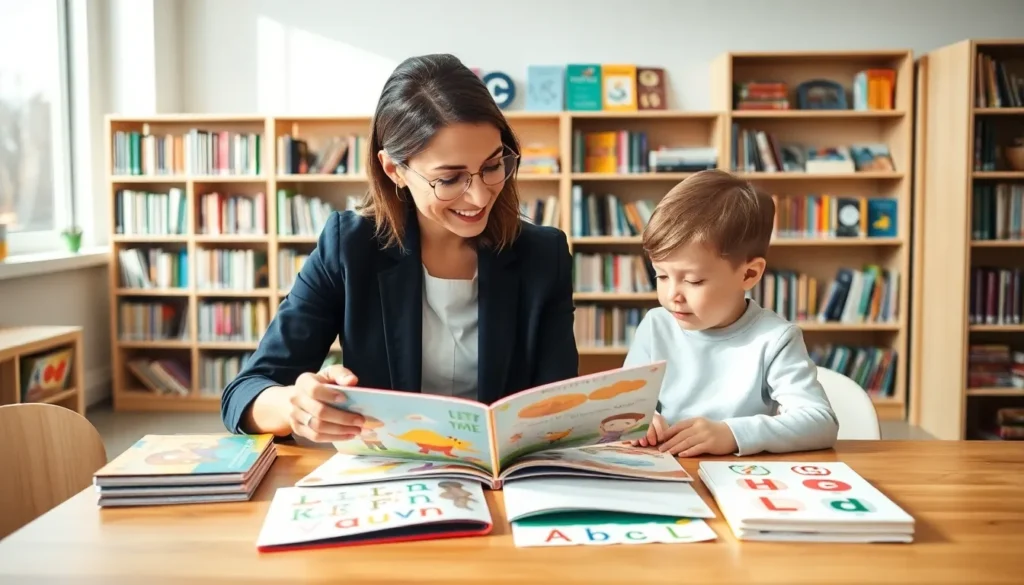
Reading aloud exposes listeners to vocabulary, sentence patterns, and ideas beyond their current reading level. It builds background knowledge and demonstrates fluent reading. Even older children benefit from hearing books read aloud.
Create a Print-Rich Environment
Surround learners with books, magazines, labels, and other text. Let children see adults reading for pleasure and information. Make library visits a regular habit. Access to diverse reading materials supports ongoing literacy development.
Practice Phonics Systematically
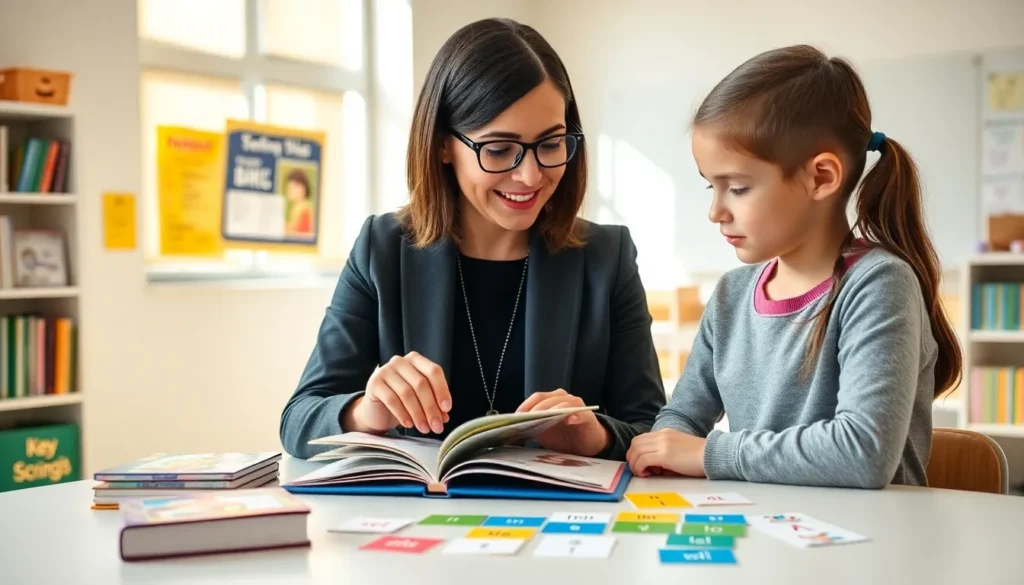
Beginning readers need explicit instruction in letter-sound relationships. Programs that teach phonics in a clear sequence produce better results than approaches that rely on guessing from context. Reading and literacy development depends on this foundational skill.
Build Vocabulary Through Conversation
Talk with children using varied vocabulary. Explain new words when they appear in books or conversation. Word knowledge directly affects reading comprehension. The more words a reader knows, the easier texts become.
Encourage Writing
Writing reinforces reading skills. Encourage children to write stories, keep journals, or send messages to family members. Don’t worry about perfect spelling at first. The goal is connecting written words to communication.
Address Struggles Early
When reading and literacy development falls behind, early intervention produces the best results. Waiting to see if a child “catches up” often allows problems to grow. Screening tools can identify at-risk readers in kindergarten or earlier.
Make Reading Enjoyable
Forced reading kills motivation. Let children choose books that interest them, even if those books seem easy or silly. Comic books, magazines, and graphic novels all count as reading. The habit of reading matters more than the format.