Table of Contents
ToggleFinding the best toddler products can feel like a full-time job. Parents want safe, effective, and age-appropriate items for their little ones. Toddlers grow fast, and their needs change almost weekly. The right toys, gear, foods, and activities make a real difference in development and daily happiness.
This guide covers the essentials every parent should know. From learning toys to safety gear, nutrition basics to fun activities, these recommendations help families make smart choices. Whether shopping for a first birthday or preparing for the preschool years, this resource delivers practical advice backed by child development research.
Key Takeaways
- The best toddler toys, like building blocks and puzzles, entertain while teaching spatial awareness, problem-solving, and fine motor skills.
- Safety essentials such as rear-facing car seats, hardware-mounted baby gates, and proper childproofing gear are non-negotiable for protecting curious toddlers.
- Toddlers need about 13 grams of protein daily from sources like eggs, beans, and Greek yogurt to support growth and energy.
- Outdoor play for at least 60 minutes daily benefits toddlers both physically and mentally through simple activities like sandbox play and bubble blowing.
- Reading to toddlers daily builds vocabulary and strengthens parent-child bonds—repetition helps children learn even when it feels tedious.
- Limit screen time to one hour daily for ages 2-5, prioritizing interactive educational content over passive video watching.
Top Toddler Toys for Learning and Development
The best toddler toys do double duty. They entertain and educate at the same time. Children aged one to three learn through play, so choosing the right toys matters.
Building Blocks and Stacking Toys
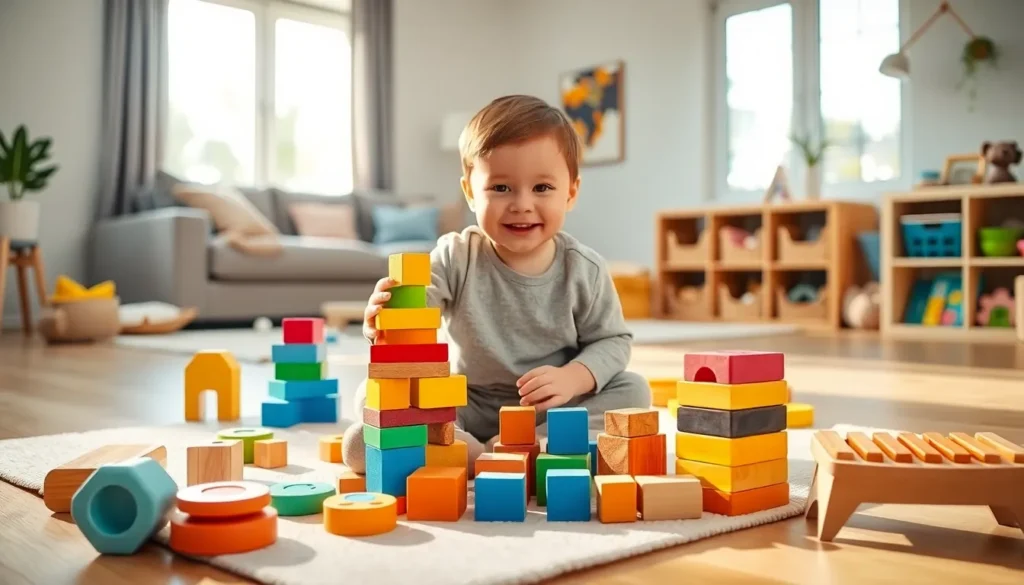
Wooden blocks remain a classic choice for good reason. They teach spatial awareness, hand-eye coordination, and problem-solving skills. Toddlers love the satisfying crash when towers fall. Look for sets with different shapes and colors to maximize learning opportunities.
Stacking cups and rings also rank among the best toddler toys for development. These simple items help children understand size relationships and sequencing. Most cost under $15 and last for years.
Puzzles and Shape Sorters
Puzzles with large knobs work well for small hands. Start with 3-5 piece puzzles for younger toddlers and increase difficulty as skills improve. Shape sorters teach geometry basics and fine motor control. The American Academy of Pediatrics recommends these types of toys for cognitive development.
Art Supplies
Crayons, finger paints, and play dough encourage creativity in toddlers. Choose non-toxic options designed for young children. Washable markers save parents cleanup headaches. Art activities help toddlers express emotions and strengthen hand muscles needed for writing later.
Musical Instruments
Simple instruments like tambourines, xylophones, and maracas introduce toddlers to rhythm and cause-and-effect relationships. Music also supports language development. Research shows children exposed to music early often develop stronger verbal skills.
Essential Gear for Toddler Safety and Comfort
Safety gear ranks high on every parent’s shopping list. The best toddler products protect children without restricting their natural curiosity.
Car Seats
A quality car seat is non-negotiable. Toddlers should remain in rear-facing seats until they reach the maximum height or weight limit, typically around age 2-4. Convertible car seats grow with children and offer better long-term value. Check expiration dates and never buy used seats without verified history.
Baby Gates and Childproofing Supplies
Baby gates prevent falls on stairs and keep toddlers out of dangerous areas. Hardware-mounted gates provide more security than pressure-mounted options for stair use. Cabinet locks, outlet covers, and corner guards complete a basic childproofing kit.
Sleep Products
Toddler beds or converted cribs help children transition from infant sleep arrangements. Look for low profiles and guardrails. Blackout curtains and white noise machines support better sleep. Well-rested toddlers behave better and learn faster.
Outdoor Safety Gear
Sun hats, sunscreen rated SPF 30+, and protective eyewear keep toddlers safe during outdoor play. For water activities, Coast Guard-approved life jackets fit properly and provide real protection. Helmets become essential once children start riding tricycles or balance bikes.
Best Foods and Nutrition Tips for Toddlers
Nutrition shapes toddler health and development. The best toddler foods provide energy, support growth, and establish healthy eating patterns.
Protein Sources
Toddlers need protein for muscle development and energy. Good options include:
- Scrambled eggs
- Shredded chicken or turkey
- Beans and lentils
- Greek yogurt
- Nut butters (if no allergies present)
Serve protein at every meal. Aim for about 13 grams daily for children aged 1-3.
Fruits and Vegetables
Offer fruits and vegetables at each meal. Cut grapes, cherry tomatoes, and other round foods lengthwise to prevent choking. Steamed vegetables work well for toddlers still developing chewing skills. Most toddlers prefer sweeter vegetables like carrots, sweet potatoes, and peas.
Whole Grains
Whole grain bread, oatmeal, and brown rice provide fiber and sustained energy. Avoid sugary cereals marketed to children. Read labels carefully, many “toddler foods” contain excessive added sugars.
Foods to Limit or Avoid
Honey remains unsafe until age one. Whole nuts, popcorn, hard candies, and raw carrots pose choking risks. Limit juice to 4 ounces daily and avoid soda entirely. The best toddler nutrition plans focus on whole foods rather than processed snacks.
Dealing with Picky Eaters
Most toddlers go through picky phases. Experts recommend offering new foods 10-15 times before giving up. Serve small portions and avoid pressuring children to eat. Let toddlers feed themselves when possible, messy meals build independence and motor skills.
Activities to Keep Toddlers Engaged and Happy
Active toddlers need stimulation throughout the day. The best toddler activities balance physical movement, creative play, and learning opportunities.
Outdoor Play
Outdoor time benefits toddlers physically and mentally. Simple activities work best:
- Playing in sandboxes
- Running through sprinklers
- Collecting leaves and rocks
- Blowing bubbles
- Playing with sidewalk chalk
Aim for at least 60 minutes of outdoor play daily when weather permits.
Reading Time
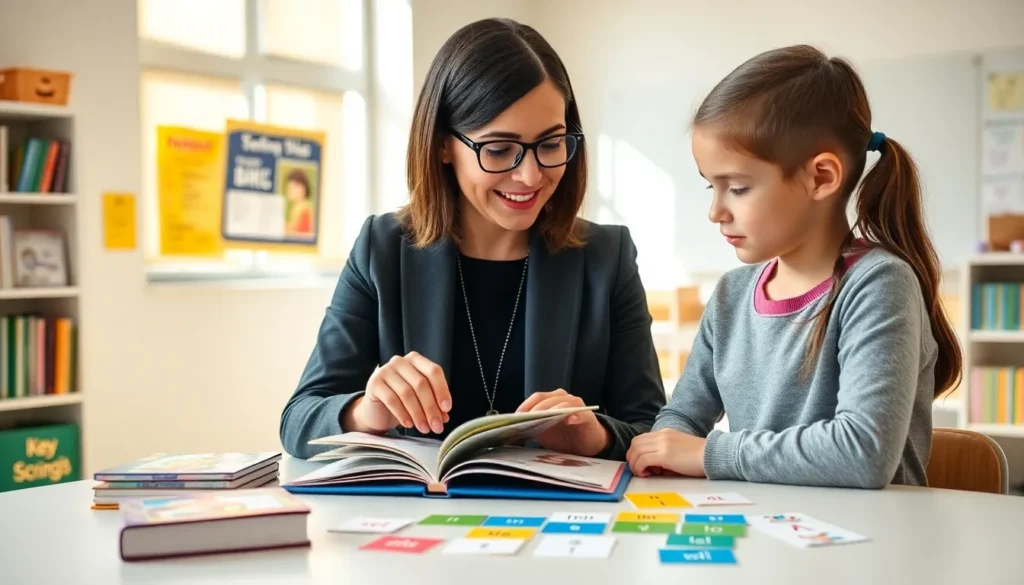
Reading to toddlers builds vocabulary and strengthens bonds. Board books survive rough handling. Choose books with bright pictures and simple text. Let children turn pages and point to objects. Reading the same books repeatedly helps toddlers learn, even when parents tire of the repetition.
Sensory Play
Sensory activities engage multiple learning pathways. Fill bins with rice, dried pasta, or water beads for scooping and pouring. Play dough, kinetic sand, and finger painting all qualify as sensory experiences. These activities calm anxious toddlers and improve focus.
Social Activities
Playdates and toddler groups teach social skills. Children this age engage in “parallel play”, playing alongside rather than with each other. This stage is normal and healthy. Library story times, playground visits, and mommy-and-me classes provide structured social opportunities.
Screen Time Guidelines
The American Academy of Pediatrics recommends limiting screen time to one hour daily for children ages 2-5. Choose educational content and watch together when possible. Interactive apps beat passive video watching. But honestly? The best toddler activities happen away from screens.