Table of Contents
ToggleReading and literacy development trends in 2026 will shape how children and adults learn to read, write, and process information. Schools, parents, and policymakers are paying close attention to shifts in teaching methods, technology use, and research-backed approaches. The stakes are high. Literacy rates directly affect economic outcomes, civic participation, and personal well-being.
This year brings several significant changes to literacy education. AI-powered reading programs are gaining traction. The science of reading movement continues to influence curriculum decisions. Digital literacy is becoming a core skill for young learners. And educators are still working to close gaps that widened during the pandemic. Each of these reading and literacy development trends deserves attention from anyone invested in education outcomes.
Key Takeaways
- AI-powered reading programs are transforming literacy education in 2026, with over 60% of elementary schools expected to adopt them by year’s end.
- The science of reading movement now dominates U.S. curriculum decisions, with 40+ states adopting policies emphasizing systematic phonics instruction.
- Digital literacy has become a core skill in early education, teaching children to evaluate online sources and identify misinformation.
- Reading and literacy development trends in 2026 show technology works best when it supports teachers rather than replaces them.
- Post-pandemic literacy gaps persist, but high-dosage tutoring, extended learning time, and family engagement programs are driving recovery efforts.
- Being literate today means more than decoding text—it includes critical thinking skills to navigate and evaluate digital information.
The Rise of AI-Powered Personalized Reading Programs
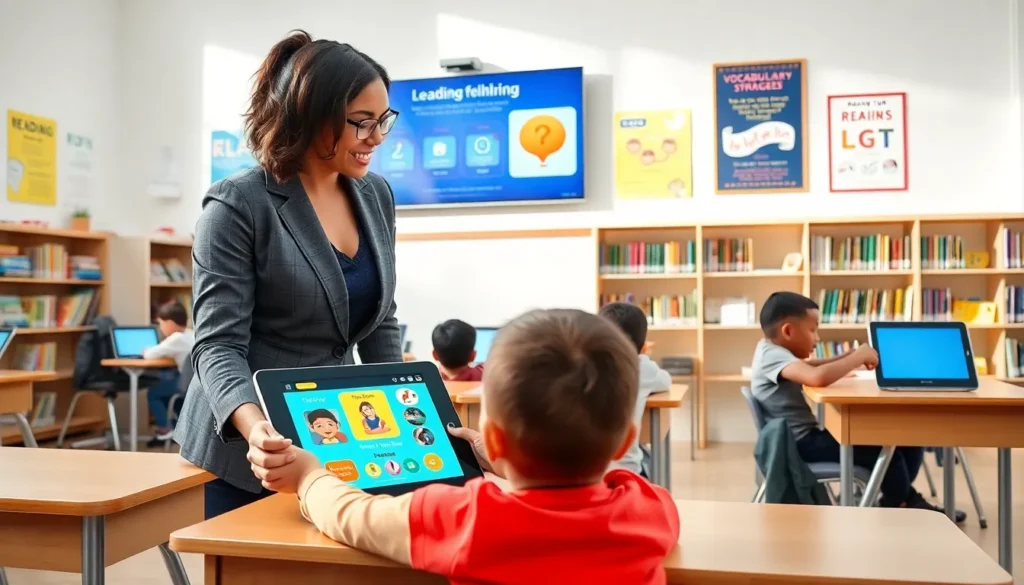
AI-powered reading programs represent one of the most significant reading and literacy development trends of 2026. These tools analyze student performance in real time and adjust content difficulty, pacing, and focus areas accordingly. Unlike traditional software, modern AI systems can identify specific phonics weaknesses, vocabulary gaps, or comprehension struggles within minutes.
Schools across the United States are adopting these platforms at increasing rates. A 2025 survey from the International Literacy Association found that 47% of elementary schools now use some form of AI-assisted reading instruction. That number is expected to exceed 60% by the end of 2026.
The appeal is straightforward. Teachers often manage classrooms with students reading at vastly different levels. A single third-grade class might include children reading at first-grade level alongside others who can handle fifth-grade texts. AI programs let each student work at their own pace without requiring the teacher to create dozens of individual lesson plans.
But there are concerns. Critics worry about screen time, data privacy, and the risk of replacing human instruction with algorithms. The best implementations use AI as a supplement, not a substitute, for skilled teaching. Students still need teachers who can explain concepts, answer questions, and provide encouragement.
Reading and literacy development trends in 2026 show a clear pattern: technology works best when it supports teachers rather than replacing them. Schools that combine AI tools with strong human instruction see the best results.
Science of Reading Takes Center Stage
The science of reading movement has transformed literacy instruction in recent years. In 2026, this approach dominates curriculum decisions in most U.S. states. At its core, the science of reading emphasizes systematic phonics instruction, phonemic awareness, fluency practice, vocabulary building, and comprehension strategies.
This represents a major shift away from approaches like “balanced literacy” and “whole language,” which relied heavily on context clues and guessing strategies. Research repeatedly showed these methods left many students, especially those with dyslexia or other learning differences, struggling to decode words.
As of early 2026, over 40 states have passed legislation or adopted policies aligned with science of reading principles. Mississippi offers a compelling example. The state implemented structured literacy programs in 2013 and saw dramatic improvements on national reading assessments. Other states are now following that model.
Teacher training is catching up, too. Education schools are revising their curricula to include more instruction on phonics and the cognitive science behind reading acquisition. This matters because many practicing teachers never learned these methods in their own training programs.
Reading and literacy development trends in 2026 reflect a growing consensus: explicit, systematic instruction in how written language works produces better outcomes than approaches that assume children will naturally absorb reading skills through exposure.
The shift isn’t without friction. Some educators feel the emphasis on phonics is too narrow. Others argue that comprehension and engagement shouldn’t take a back seat to decoding skills. The most effective programs balance both, teaching students how to sound out words while also building background knowledge and a love of reading.
Digital Literacy Integration in Early Education
Digital literacy has become essential for full participation in modern society. Reading and literacy development trends in 2026 now include digital skills as a core component of early education, not an add-on.
Young children today encounter screens constantly. They scroll through tablets, watch videos, and interact with apps before they enter kindergarten. Schools are responding by teaching students how to evaluate online information, identify misinformation, and use digital tools responsibly.
This goes beyond basic computer skills. Digital literacy includes understanding how search engines rank results, recognizing bias in online content, and knowing when a source is credible. These skills require traditional literacy as a foundation. Students must read well to evaluate what they find online.
Several states have added digital literacy standards to their K-12 curricula. California, for instance, requires students to demonstrate proficiency in evaluating digital sources by the end of middle school. Other states are developing similar benchmarks.
The integration presents challenges. Teachers need training in digital literacy instruction. Schools need reliable technology and internet access. And families need guidance on supporting digital learning at home.
Reading and literacy development trends in 2026 recognize that literacy itself has expanded. Being literate now means more than decoding printed text. It means understanding how information flows online and developing the critical thinking skills to process it effectively.
Early childhood programs are starting to incorporate these concepts in age-appropriate ways. Even preschoolers can learn basic ideas about what makes a source trustworthy or why not everything on a screen is true.
Addressing the Post-Pandemic Literacy Gap
The COVID-19 pandemic disrupted education worldwide. Reading and literacy development trends in 2026 still reflect the aftermath. Many students lost significant ground during school closures, and recovery remains uneven.
National assessment data tells a sobering story. The 2024 NAEP results showed that reading scores for fourth and eighth graders remained below pre-pandemic levels. Students from low-income families, English learners, and students with disabilities were hit hardest.
Schools are deploying multiple strategies to close these gaps. High-dosage tutoring has shown strong results in research studies. This approach provides students with three or more sessions per week of one-on-one or small-group instruction. It’s expensive, but effective.
Extended learning time is another common approach. Some districts have added days to the school year or hours to the school day. Summer programs have expanded, though getting students to attend consistently remains a challenge.
Reading and literacy development trends in 2026 also emphasize family engagement. Schools are partnering with parents and caregivers to support reading at home. This includes providing books, offering workshops, and creating lending libraries.
Mental health support plays a role, too. Students struggling with anxiety, depression, or trauma often have difficulty focusing on academics. Schools are hiring more counselors and integrating social-emotional learning into their curricula.
The gap won’t close overnight. Experts estimate full recovery could take several more years, especially for the most affected populations. But schools, districts, and states are committing resources and attention to the problem. Progress is possible with sustained effort.