Table of Contents
ToggleReading and literacy development strategies shape how people learn, communicate, and grow throughout their lives. Strong literacy skills open doors to better education, career opportunities, and personal fulfillment. Yet many learners, children and adults alike, struggle to build these essential abilities.
The good news? Research-backed methods can help anyone improve their reading skills. From phonics instruction for early readers to comprehension techniques for advanced students, the right strategies make a measurable difference. This guide breaks down proven approaches that parents, educators, and learners can use to build lasting literacy skills.
Key Takeaways
- Effective reading and literacy development strategies build on five core components: phonemic awareness, phonics, fluency, vocabulary, and comprehension.
- Systematic phonics instruction combined with read-aloud sessions and repeated reading practice helps early readers develop strong foundational skills.
- Teaching comprehension strategies like predicting, questioning, visualizing, and summarizing transforms word readers into critical thinkers.
- Struggling readers benefit from targeted, multi-sensory instruction that builds confidence through achievable successes.
- Creating a literacy-rich environment with accessible books, modeled reading behavior, and limited screen time encourages lifelong reading habits.
- Reading and literacy development strategies apply to learners of all ages, from young children to adults improving their skills.
Understanding the Foundations of Literacy
Literacy development begins with five core components: phonemic awareness, phonics, fluency, vocabulary, and comprehension. Each piece builds on the others to create skilled readers.
Phonemic awareness refers to the ability to hear and manipulate individual sounds in words. Children who can identify that “cat” has three sounds (c-a-t) have stronger phonemic awareness. This skill predicts future reading success more accurately than IQ or socioeconomic status.
Phonics connects sounds to written letters and letter combinations. Systematic phonics instruction teaches learners to decode unfamiliar words rather than guess based on pictures or context alone.
Fluency describes reading speed, accuracy, and expression. Fluent readers process text automatically, which frees mental energy for understanding meaning. Reading aloud regularly builds this skill.
Vocabulary knowledge directly affects comprehension. Readers who know more words understand more of what they read. Direct instruction and wide reading both expand vocabulary over time.
Comprehension is the ultimate goal of reading and literacy development strategies. It requires readers to connect new information with existing knowledge, make inferences, and evaluate ideas critically.
These foundations apply to learners of all ages. Adults learning to read or improving their skills benefit from the same core instruction that helps children succeed.
Effective Strategies for Early Readers
Young readers need structured, explicit instruction combined with plenty of practice opportunities. Several reading and literacy development strategies have strong research support.
Systematic Phonics Instruction
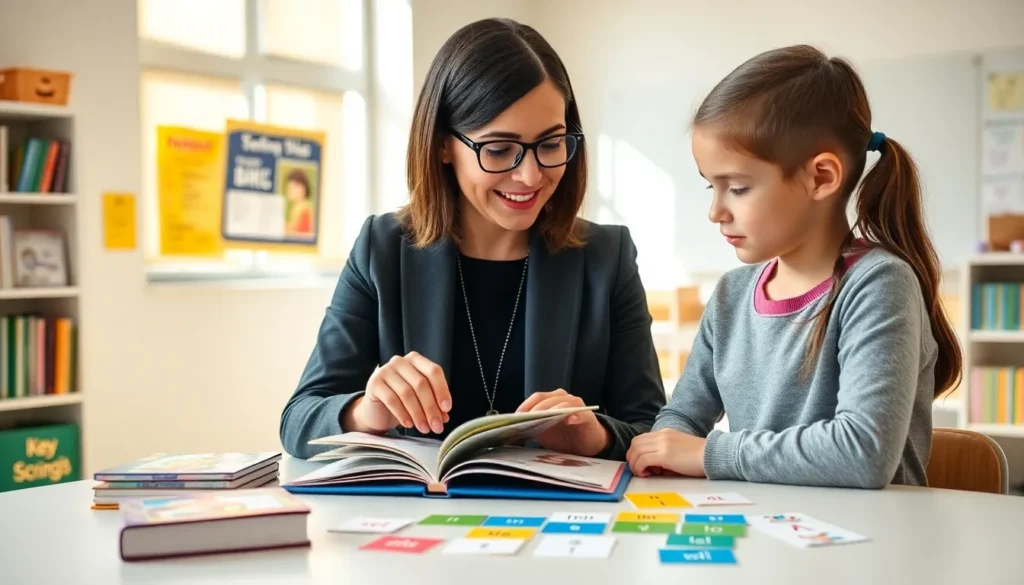
Teach letter-sound relationships in a planned sequence. Start with the most common sounds and progress to more complex patterns like digraphs (sh, ch, th) and vowel teams (ea, oa, ai). Daily practice with decodable texts reinforces these patterns.
Read-Aloud Sessions
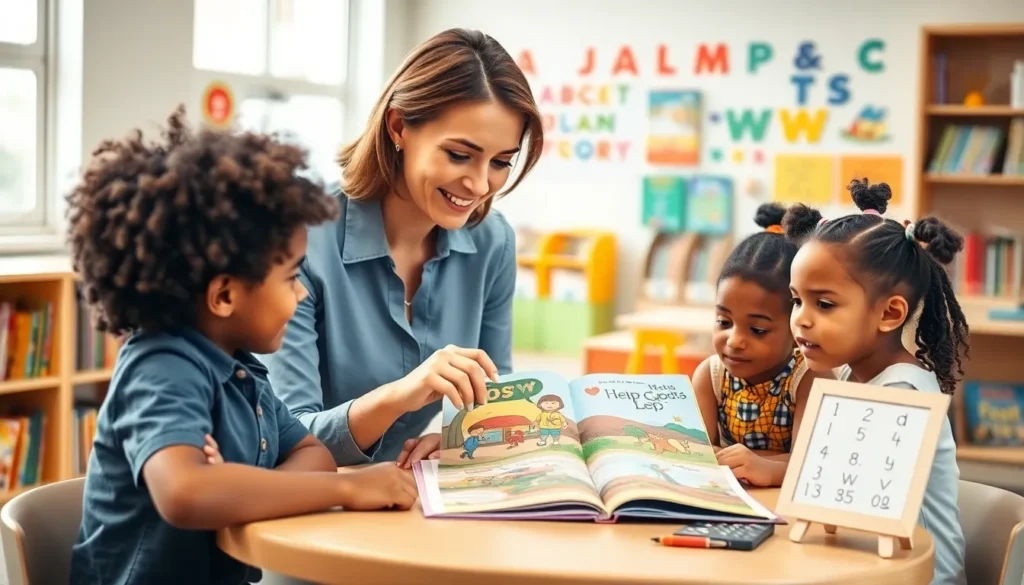
Reading aloud to children exposes them to vocabulary, sentence structures, and story elements beyond their independent reading level. Interactive read-alouds, where adults pause to ask questions and discuss the text, boost comprehension even further.
Repeated Reading Practice
Having children read the same short passage multiple times improves fluency and confidence. Aim for three to four readings until the text feels smooth and natural.
Sight Word Instruction
Some high-frequency words don’t follow standard phonics rules. Words like “said,” “was,” and “the” appear so often that automatic recognition speeds up reading. Flashcards, games, and writing practice help cement these words in memory.
Phonemic Awareness Activities
Oral games build sound awareness without written text. Try rhyming games, segmenting words into sounds, or blending sounds into words. These activities work well during car rides or while waiting in line.
Building Comprehension and Critical Thinking Skills
Reading words accurately is only part of literacy. Strong readers understand, analyze, and evaluate what they read. These reading and literacy development strategies build deeper comprehension.
Activate Prior Knowledge
Before reading, help learners connect the topic to what they already know. A quick discussion or brainstorm prepares the brain to absorb new information. For example, before reading about volcanoes, ask: “What do you already know about how volcanoes form?”
Teach Comprehension Strategies Explicitly
Good readers use specific mental moves while reading. Teach these strategies directly:
- Predicting: Making educated guesses about what will happen next
- Questioning: Asking questions before, during, and after reading
- Visualizing: Creating mental images of the text
- Summarizing: Identifying main ideas and key details
- Making inferences: Reading between the lines using text clues and background knowledge
Use Graphic Organizers
Visual tools like story maps, Venn diagrams, and concept webs help readers organize information. These tools make abstract thinking concrete and visible.
Encourage Discussion
Talking about texts deepens understanding. Book clubs, literature circles, and family discussions give readers chances to hear different perspectives and defend their own interpretations.
Ask Higher-Order Questions
Move beyond “What happened?” to questions like “Why did the character make that choice?” or “How would the story change if it took place in a different time period?” These questions push readers toward critical thinking.
Supporting Struggling Readers at Any Age
Some learners face extra challenges with reading. Learning differences like dyslexia, limited early exposure to books, or gaps in instruction can all create difficulties. Effective reading and literacy development strategies can help struggling readers catch up.
Identify the Specific Challenge
Struggling readers need targeted support. A student who can decode words but doesn’t understand them needs different help than one who struggles to sound out basic words. Assessments help pinpoint where to focus instruction.
Provide Explicit, Structured Instruction
Struggling readers often need more direct teaching with smaller steps. Orton-Gillingham approaches and other structured literacy programs break skills into manageable pieces with lots of practice at each level.
Use Multi-Sensory Methods
Combining visual, auditory, and hands-on learning helps many struggling readers. Writing letters in sand while saying their sounds, for instance, engages multiple pathways to memory.
Build Confidence Through Success
Struggling readers often have damaged confidence. Provide texts at the right difficulty level, challenging enough to build skills but easy enough to succeed. Celebrate progress, even small gains.
Consider Professional Evaluation
Persistent reading struggles may indicate a learning difference that benefits from specialized intervention. Reading specialists, educational psychologists, and speech-language pathologists can provide thorough evaluations and recommendations.
Support Adult Learners
Adults returning to improve literacy skills face unique challenges, including time constraints and possible embarrassment. Adult literacy programs offer patient, respectful instruction that acknowledges learners’ life experience and goals.
Creating a Literacy-Rich Environment
Environment shapes reading habits and attitudes. Homes, classrooms, and communities that prioritize literacy produce stronger readers.
Fill Spaces with Books
Access matters. Children with books at home read more than those without. Libraries, book swaps, and free book programs can bridge gaps for families with limited resources.
Model Reading Behavior
Children who see adults reading for pleasure view reading as a worthwhile activity. Let kids catch you reading, books, magazines, articles, even recipes.
Create Comfortable Reading Spots
A cozy corner with good lighting invites readers to settle in. Some learners prefer quiet spaces while others read well with background noise. Offer options when possible.
Limit Screen Competition
Screens compete for attention. Setting boundaries around device use creates space for reading. Many families establish screen-free times or “read before screens” rules.
Connect Reading to Real Life
Reading serves practical purposes beyond stories. Involve children in reading recipes, instructions, maps, and signs. These experiences show that reading and literacy development strategies apply everywhere.
Celebrate Reading Achievements
Recognize milestones, finishing a first chapter book, reaching a reading goal, or trying a new genre. Positive associations with reading encourage continued effort.