Table of Contents
ToggleReading and literacy development ideas shape how children and adults grow as readers. Strong literacy skills open doors to academic success, career opportunities, and personal growth. Yet many parents and educators struggle to find practical ways to support reading at home and in everyday life.
This guide shares proven strategies for building stronger readers. From creating print-rich spaces to using technology wisely, these reading and literacy development ideas work for learners of all ages. Whether someone is helping a toddler discover books or supporting a teen who needs extra practice, these approaches deliver results.
Key Takeaways
- Creating a print-rich environment at home by labeling objects and keeping books in multiple rooms builds early reading familiarity at no cost.
- Interactive reading strategies like read-alouds, shared reading, and think-alouds strengthen comprehension for learners of all ages.
- Building vocabulary through everyday activities—rich conversations, word games, cooking, and nature walks—directly improves reading comprehension.
- Technology supports reading and literacy development when used intentionally, including audiobooks, e-readers with dictionary features, and quality reading apps.
- Letting children choose their own books and connecting reading to their interests builds motivation and a lifelong love of reading.
- Model positive reading behavior by reading for pleasure yourself and never using reading as punishment.
Creating a Print-Rich Environment at Home
A print-rich environment surrounds learners with written words. This constant exposure to text builds familiarity with letters, words, and reading conventions.
Labels and Signs
Label common objects around the house. Put a sign on the refrigerator, the toy box, and bedroom doors. Children begin to connect written words with the objects they represent. This simple reading and literacy development idea costs nothing but makes a real difference.
Books Everywhere
Keep books in multiple rooms, not just the bedroom. Place picture books in the living room, magazines in the kitchen, and comic books in the bathroom. When reading materials are always within reach, people read more often.
Display Written Work
Hang children’s writing on the refrigerator or a bulletin board. Display grocery lists, calendars, and notes where everyone can see them. These everyday texts show that writing serves real purposes.
Create a Reading Nook
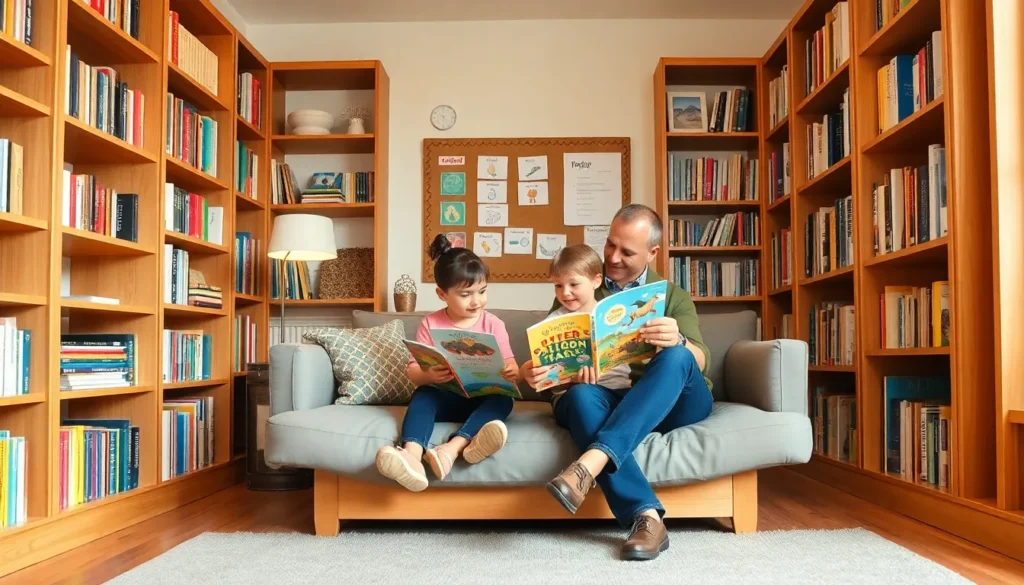
Set up a comfortable spot dedicated to reading. Add good lighting, cushions, and a small bookshelf. A cozy reading space signals that reading matters and deserves special attention.
Interactive Reading Strategies for All Ages
Reading becomes more effective when it involves interaction. Passive listening helps, but active engagement builds deeper comprehension and retention.
Read-Alouds with Discussion
Read aloud to children of all ages, even teenagers benefit from hearing fluent reading. Pause to ask questions: “What do you think will happen next?” or “Why did that character make that choice?” These conversations strengthen critical thinking.
Shared Reading
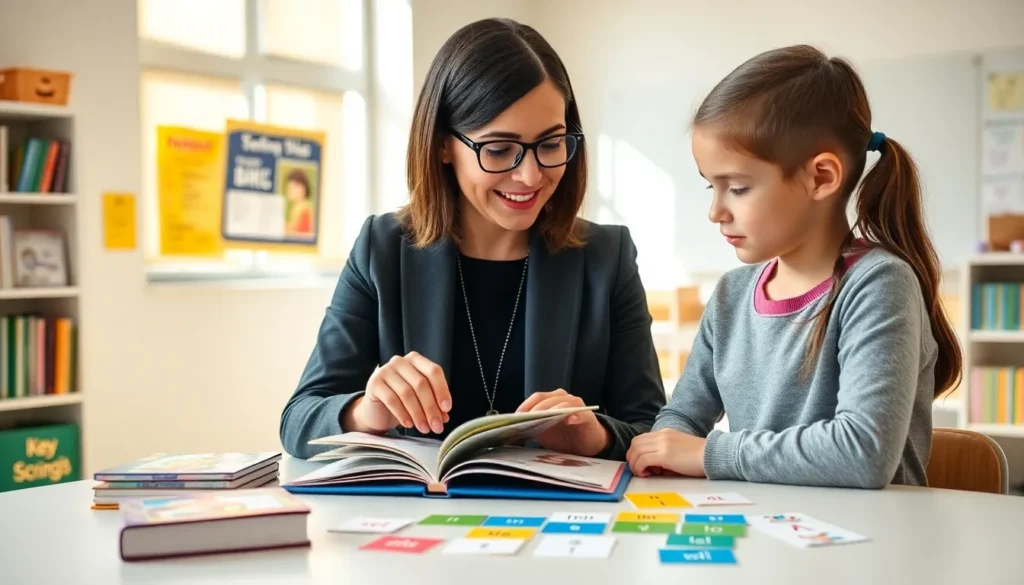
Sit side by side and read the same text together. Point to words as they are read. This reading and literacy development idea helps beginning readers track print and recognize sight words.
Echo Reading
The adult reads a sentence, then the child repeats it. Echo reading builds fluency and helps struggling readers practice without pressure. It works especially well with poetry and rhythmic texts.
Partner Reading
Two readers take turns reading paragraphs or pages. Partner reading keeps both people engaged and provides natural comprehension checks. It works for siblings, parent-child pairs, or classroom buddies.
Think-Alouds
Model the thinking process while reading. Say things like, “I’m confused here, so I’ll reread this part” or “This reminds me of something that happened to me.” Think-alouds teach readers to monitor their own understanding.
Building Vocabulary Through Everyday Activities
Vocabulary knowledge directly predicts reading comprehension. Children who know more words understand more of what they read. These reading and literacy development ideas build vocabulary naturally.
Rich Conversations
Talk to children using varied vocabulary. Instead of saying “big,” try “enormous,” “massive,” or “gigantic.” Explain unfamiliar words in context. Daily conversation is the most powerful vocabulary builder available.
Word Games
Play Scrabble, Boggle, or Bananagrams as a family. Try word-of-the-day challenges where everyone uses a new word in conversation. These games make vocabulary practice fun.
Cooking and Recipes
Follow recipes together. Cooking introduces words like “simmer,” “fold,” “dice,” and “marinate.” Reading recipes also builds comprehension skills, readers must follow steps in order.
Nature Walks
Explore outdoors and name what you see. Learn the names of trees, birds, and insects. This builds both vocabulary and background knowledge that supports later reading comprehension.
Shopping Trips
Read labels, compare prices, and discuss product features at the store. Point out signs and advertisements. Real-world print offers endless vocabulary opportunities.
Using Technology to Support Literacy Growth
Technology offers powerful tools for reading and literacy development ideas when used with intention. The key is choosing quality apps and setting reasonable limits.
Audiobooks
Audiobooks let readers enjoy books above their current reading level. They build vocabulary, comprehension, and a love of stories. Many libraries offer free audiobook apps like Libby or hoopla.
E-Readers
E-readers allow instant dictionary lookup. Readers can tap unfamiliar words and see definitions immediately. This feature removes barriers and keeps readers moving through texts.
Reading Apps
Apps like Epic, Reading Eggs, and Starfall offer interactive reading instruction. Look for apps that include phonics practice, comprehension activities, and progress tracking. Many schools provide free access to premium apps.
Video Calls with Readers
Grandparents or other relatives can read aloud over video calls. This combines social connection with literacy practice, a winning combination for reluctant readers.
Balanced Screen Time
Set clear boundaries around recreational screen time. Reserve some screen time specifically for reading-related activities. Balance digital reading with physical books to develop different skills.
Encouraging a Lifelong Love of Reading
Skills matter, but attitude matters more in the long run. Readers who enjoy reading keep practicing throughout their lives. These reading and literacy development ideas build positive associations with books.
Let Readers Choose
Allow children to select their own books, even if the choices seem too easy or unusual. Choice builds motivation. A child who devours comic books is still reading, and building skills.
Read for Pleasure Yourself
Children copy adult behavior. When they see parents reading for enjoyment, they learn that reading is something adults value. Put down the phone and pick up a book.
Visit Libraries and Bookstores
Make regular trips to the library or bookstore. Let children browse and explore. Many libraries offer story times, reading challenges, and summer programs that add excitement to reading.
Connect Books to Interests
Find books about topics the reader already loves. A child obsessed with dinosaurs will devour dinosaur books. A teen who loves basketball might enjoy sports biographies. Interest drives engagement.
Never Use Reading as Punishment
Avoid phrases like “Go to your room and read.” Reading should never feel like a consequence. Similarly, don’t take away books as punishment, this sends the wrong message about reading’s value.
Celebrate Progress
Acknowledge reading milestones. Finish a chapter book? Celebrate. Read every day for a month? Celebrate. Positive reinforcement builds confidence and keeps readers motivated.