Table of Contents
ToggleLearning how to raise toddlers can feel like a wild ride. One minute they’re giggling at a sock puppet, and the next they’re melting down because their banana broke. Toddlers experience rapid physical, emotional, and cognitive changes between ages one and three. These changes shape their behavior in ways that often confuse parents.
This guide offers practical strategies for raising toddlers with confidence. Parents will find clear advice on development stages, behavior management, daily routines, and play-based learning. Each section provides actionable tips that work in real-life situations. Whether a parent is dealing with tantrums, picky eating, or bedtime battles, this article delivers solutions grounded in child development research.
Key Takeaways
- Understanding how toddlers develop helps parents set realistic expectations and respond calmly to challenging behaviors.
- Stay calm during tantrums and offer limited choices to give toddlers a sense of autonomy while reducing power struggles.
- Consistent daily routines for mornings, meals, and bedtime provide toddlers with security and improve cooperation.
- Use positive language that tells toddlers what to do rather than what not to do for better results.
- Play is essential for toddler learning—prioritize hands-on activities like sensory play, physical play, and outdoor exploration over screens.
- Toddlers need 11 to 14 hours of sleep daily, and maintaining a consistent bedtime routine helps regulate their internal clocks.
Understanding Toddler Development
Toddlers grow at an astonishing pace. Their brains form over one million new neural connections every second during this period. Understanding how toddlers develop helps parents set realistic expectations and respond appropriately to challenging behaviors.
Physical Development
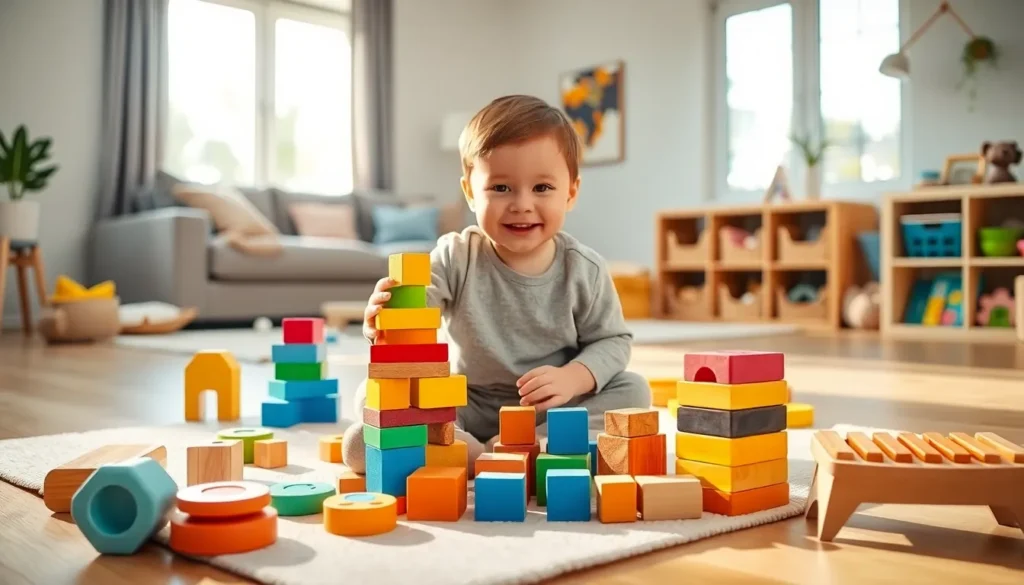
Most toddlers begin walking independently between 12 and 15 months. By age two, they can run, climb stairs with support, and kick a ball. Fine motor skills also improve, toddlers learn to stack blocks, hold crayons, and feed themselves with utensils.
Parents should provide safe spaces for toddlers to explore. Childproofing remains essential as mobility increases. A toddler who just learned to climb will test that skill on everything from sofas to bookshelves.
Cognitive and Language Growth
Toddlers absorb language like sponges. At 12 months, most say one to three words. By age two, vocabulary often expands to 50 words or more. Three-year-olds typically speak in short sentences and ask endless questions.
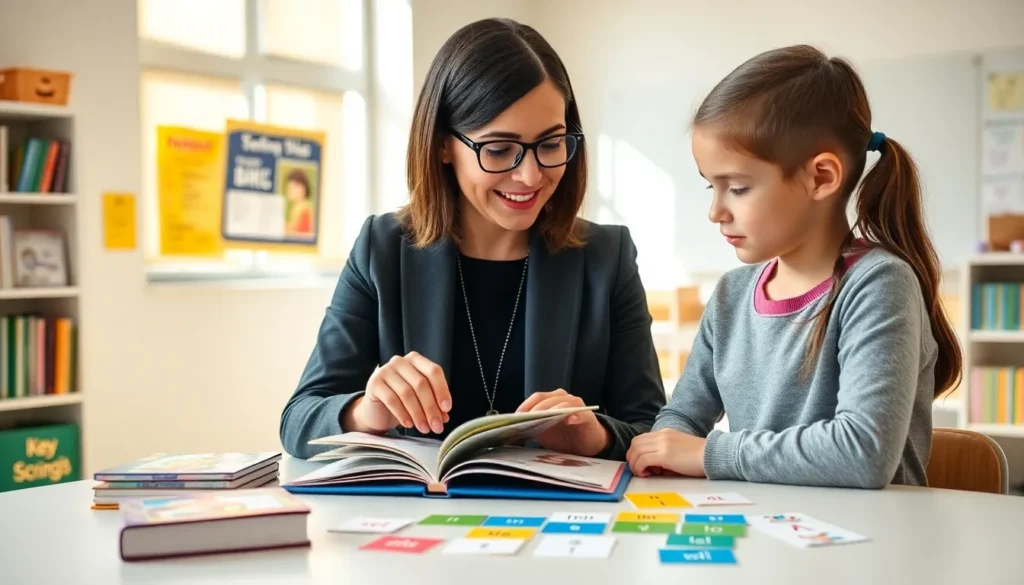
Parents can support language development by talking to toddlers throughout the day. Narrating activities (“Now we’re putting on your shoes”) builds vocabulary naturally. Reading books together remains one of the most effective ways to boost language skills in toddlers.
Emotional Development
Toddlers experience big emotions but lack the skills to regulate them. This explains why small frustrations, like a sibling touching their toy, trigger intense reactions. They’re not being dramatic: their brains simply haven’t developed impulse control yet.
The prefrontal cortex, which manages emotional regulation, won’t fully mature until the mid-twenties. Parents who understand this biological reality can respond to toddlers with patience rather than frustration.
Effective Strategies for Managing Toddler Behavior
Toddler behavior management doesn’t require complicated techniques. Simple, consistent approaches work best. Here are proven strategies that help toddlers learn appropriate behavior.
Stay Calm During Tantrums
Tantrums peak between ages two and three. They occur because toddlers want independence but lack communication skills. A toddler who can’t express frustration verbally will express it physically.
When tantrums happen, parents should stay calm. Yelling or punishing escalates the situation. Instead, get down to the toddler’s eye level. Use a soothing voice. Say something simple like, “I see you’re upset. I’m here.”
Some toddlers need space during tantrums. Others want comfort. Parents learn what works for their individual child through observation and trial.
Offer Limited Choices
Toddlers crave autonomy. Offering two acceptable choices satisfies this need while keeping parents in control. Instead of asking, “What do you want for breakfast?” try “Do you want oatmeal or yogurt?”
This strategy works for clothing, activities, and snacks. It reduces power struggles because toddlers feel they have some control over their lives.
Use Positive Language
Toddlers respond better to positive instructions than negative ones. “Walk, please” works better than “Don’t run.” “Use gentle hands” beats “Stop hitting.”
Positive language tells toddlers what TO do rather than what NOT to do. Their developing brains process direct instructions more easily.
Be Consistent
Consistency matters more than any single technique. Toddlers test boundaries repeatedly. They need to learn that rules stay the same regardless of location, time, or their level of protest. When parents remain consistent, toddlers feel secure and eventually accept limits.
Building Healthy Daily Routines
Routines give toddlers a sense of security. When children know what comes next, they feel less anxious and cooperate more easily. Building healthy routines takes effort initially but saves time and stress long-term.
Morning Routines
A predictable morning routine helps toddlers start the day smoothly. Keep the sequence consistent: wake up, bathroom, get dressed, eat breakfast. Visual charts with pictures help toddlers understand and follow the steps independently.
Allow extra time in the morning. Rushing creates stress for everyone. Toddlers move slowly, that’s developmentally normal, not defiant behavior.
Mealtime Habits
Toddlers can be notoriously picky eaters. They may love carrots one week and refuse them the next. This behavior is normal and usually temporary.
Parents should offer a variety of healthy foods without pressure. The “division of responsibility” approach works well: parents decide what food to offer and when, while toddlers decide whether and how much to eat. This method reduces mealtime battles and helps toddlers develop healthy relationships with food.
Bedtime Routines
Sleep struggles are common with toddlers. A consistent bedtime routine signals to their bodies that sleep is coming. A typical routine might include bath, pajamas, teeth brushing, stories, and a song.
Most toddlers need 11 to 14 hours of sleep per day, including naps. Keeping bedtime at the same time each night, even on weekends, helps regulate their internal clocks. Overtired toddlers actually have more difficulty falling asleep, so watch for early tired cues.
Encouraging Learning Through Play
Play is how toddlers learn. They’re not just having fun, they’re building cognitive, social, and motor skills with every game. Parents who understand play’s importance can support toddler development effectively.
Types of Beneficial Play
Toddlers benefit from various play types. Sensory play (sand, water, playdough) develops fine motor skills and promotes calmness. Physical play (running, jumping, climbing) builds gross motor skills and burns energy. Pretend play (playing house, tea parties) develops imagination and social skills.
Simple toys often work better than expensive electronic ones. Blocks, balls, crayons, and cardboard boxes provide endless learning opportunities. Toddlers don’t need screens to learn, they need hands-on experiences.
Parent Involvement in Play
Parents don’t need to entertain toddlers constantly. But, regular engaged playtime strengthens bonds and supports development. Even 15 minutes of focused, phone-free play daily makes a difference.
During play, let toddlers lead. Follow their interests rather than directing activities. Ask open-ended questions like “What happens if we stack this block here?” This approach encourages problem-solving and creativity.
Outdoor Play Benefits
Outdoor time benefits toddlers enormously. Natural light supports healthy sleep patterns. Physical activity promotes development and reduces behavioral issues. Nature exploration sparks curiosity.
Toddlers should spend time outside daily when weather permits. A backyard, local park, or even a short walk around the block provides valuable stimulation. Outdoor play doesn’t require equipment, toddlers find sticks, leaves, and puddles fascinating.