Table of Contents
ToggleReading and literacy development forms the backbone of a child’s academic success. Children who develop strong reading skills early tend to perform better across all subjects. Parents, teachers, and caregivers play a critical role in this process.
This guide explains how literacy develops, what strategies work best, and how to create an environment where reading thrives. Whether a child is just learning letter sounds or struggling with comprehension, the right approach makes a significant difference.
Key Takeaways
- Reading and literacy development follows predictable stages from pre-reading (birth to age 5) through fluent reading (ages 9+), and understanding these stages helps adults provide the right support.
- Daily read-alouds—even just 15 minutes—build vocabulary, story comprehension, and positive associations with books.
- Phonemic awareness (hearing individual sounds in words) predicts reading success better than IQ, making rhyming games and sound activities essential for early learners.
- Building fluency through repeated reading of the same passage frees mental energy for comprehension and deeper understanding.
- A literacy-rich home environment—with accessible books, modeled reading behavior, and limited screen time—strengthens reading and literacy development naturally.
- Connect reading to real-life activities like following recipes or reading signs to show children the practical value of literacy skills.
Understanding the Stages of Literacy Development
Reading and literacy development follows a predictable sequence. Understanding these stages helps adults provide age-appropriate support.
Pre-Reading Stage (Birth to Age 5)
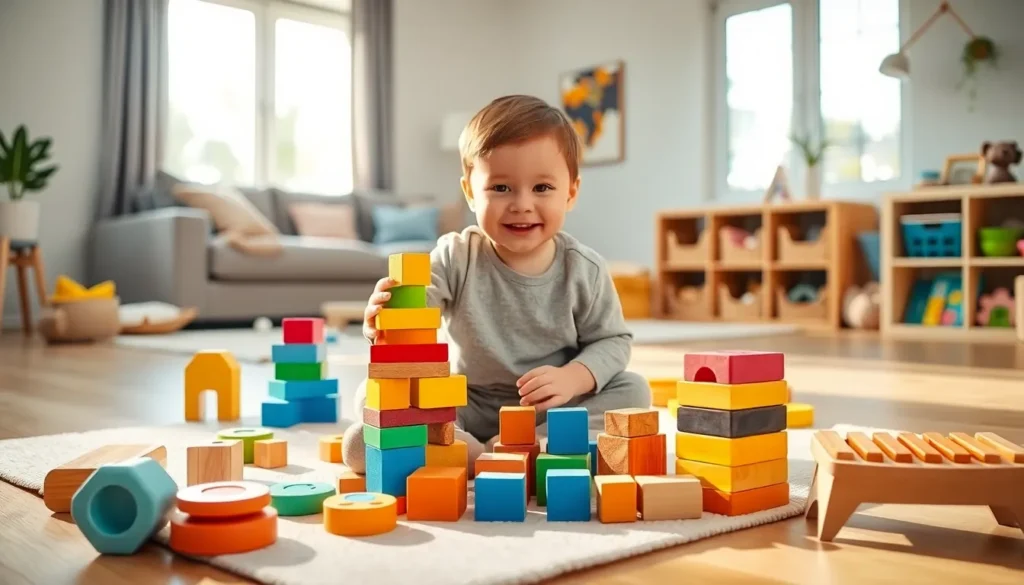
During this phase, children build the foundation for reading. They learn that print carries meaning. They recognize familiar logos and signs. They develop phonological awareness, the ability to hear and manipulate sounds in words.
Key milestones include:
- Holding books correctly
- Pretending to read
- Recognizing some letters
- Understanding that text flows left to right
Emergent Reading Stage (Ages 5-7)
Children begin connecting letters to sounds. They start decoding simple words. Reading feels effortful during this stage. Kids often rely heavily on pictures and context clues.
Early Fluency Stage (Ages 7-9)
Reading becomes more automatic. Children recognize common words by sight. They read simple chapter books. Comprehension improves as decoding requires less mental effort.
Fluent Reading Stage (Ages 9+)
Readers handle complex texts with varied vocabulary. They analyze, question, and connect ideas across different sources. Reading serves as a tool for learning new information.
Each child moves through these stages at their own pace. Some need extra time. Others progress quickly. The key is meeting children where they are and supporting their next step in reading and literacy development.
Building a Strong Foundation for Early Readers
Strong literacy skills begin before formal reading instruction starts. The early years matter enormously.
Talk to Children Constantly
Conversation builds vocabulary. The more words children hear, the larger their mental word bank grows. Research shows that children who hear 30 million more words by age 3 have significant advantages in school readiness.
Simple practices help:
- Narrate daily activities
- Ask open-ended questions
- Expand on what children say
Read Aloud Every Day
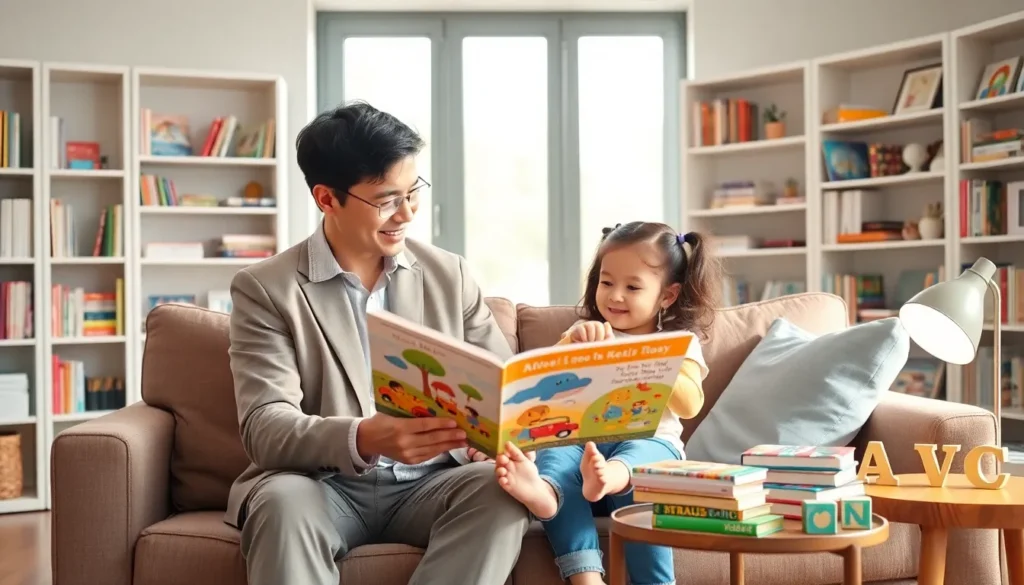
Daily read-alouds expose children to book language, story structure, and new vocabulary. They associate reading with warmth and connection. Even 15 minutes daily creates lasting benefits for reading and literacy development.
Choose books slightly above the child’s independent reading level. This stretches their understanding without frustration.
Develop Phonemic Awareness
Phonemic awareness, hearing individual sounds in words, predicts reading success better than IQ. Activities that build this skill include:
- Rhyming games
- Clapping syllables
- Identifying beginning sounds
- Blending sounds into words
Teach Letter Knowledge
Children need to recognize letters and connect them to sounds. Alphabet books, magnetic letters, and letter hunts around the house make this learning interactive and fun.
A strong foundation doesn’t require expensive programs or formal instruction. Consistent, playful exposure to language and print does the heavy lifting.
Effective Strategies to Improve Reading Skills
Once children begin reading, specific strategies accelerate their progress. These techniques apply across ages and ability levels.
Practice Decoding Systematically
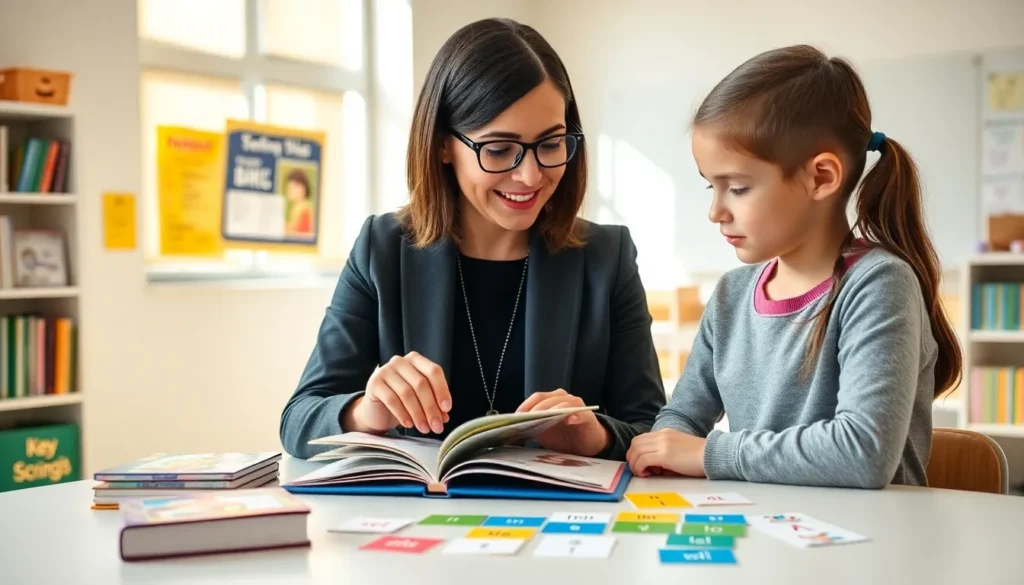
Decoding means translating letters into sounds and blending them into words. Systematic phonics instruction teaches this skill explicitly. Children learn letter patterns in a logical sequence.
For struggling readers, going back to phonics basics often helps more than pushing forward with harder texts.
Build Fluency Through Repeated Reading
Fluency connects decoding to comprehension. Fluent readers recognize words automatically, freeing mental energy for understanding.
Repeated reading of the same text builds fluency. Have children read a passage three or four times until it sounds smooth. Partner reading and audio-assisted reading also work well.
Expand Vocabulary Intentionally
Vocabulary directly impacts comprehension. Readers who know more words understand more of what they read.
Strategies include:
- Teaching word parts (prefixes, roots, suffixes)
- Discussing unfamiliar words during reading
- Encouraging wide reading across topics
Strengthen Comprehension Skills
Comprehension requires active thinking before, during, and after reading. Teach children to:
- Make predictions
- Ask questions about the text
- Visualize scenes and characters
- Summarize key points
- Connect new information to prior knowledge
These strategies turn passive reading into engaged thinking. They’re essential for advancing reading and literacy development at every stage.
Creating a Literacy-Rich Environment at Home
Environment shapes behavior. Homes filled with print and reading opportunities produce stronger readers.
Make Books Accessible
Keep books where children spend time, living rooms, bedrooms, even bathrooms. Rotate selections regularly to maintain interest. Include magazines, comics, and audiobooks alongside traditional books.
Library visits build excitement around reading. Let children choose their own books based on their interests.
Model Reading Behavior
Children copy what they see. When adults read for pleasure, children view reading as a worthwhile activity. Put down the phone. Pick up a book. Talk about what you’re reading.
Limit Screen Time
Excessive screen time competes with reading time. It also shortens attention spans, making sustained reading harder. Set clear boundaries around devices and protect time for books.
Connect Reading to Real Life
Reading skills apply everywhere. Involve children in:
- Following recipes
- Reading maps and signs
- Writing grocery lists
- Sending letters or emails to relatives
These activities show that reading and literacy development serves practical purposes. Skills practiced in context stick better.
Celebrate Progress
Acknowledge effort and improvement. Avoid criticism that makes reading feel like a chore. Positive associations with reading predict lifelong habits.