Table of Contents
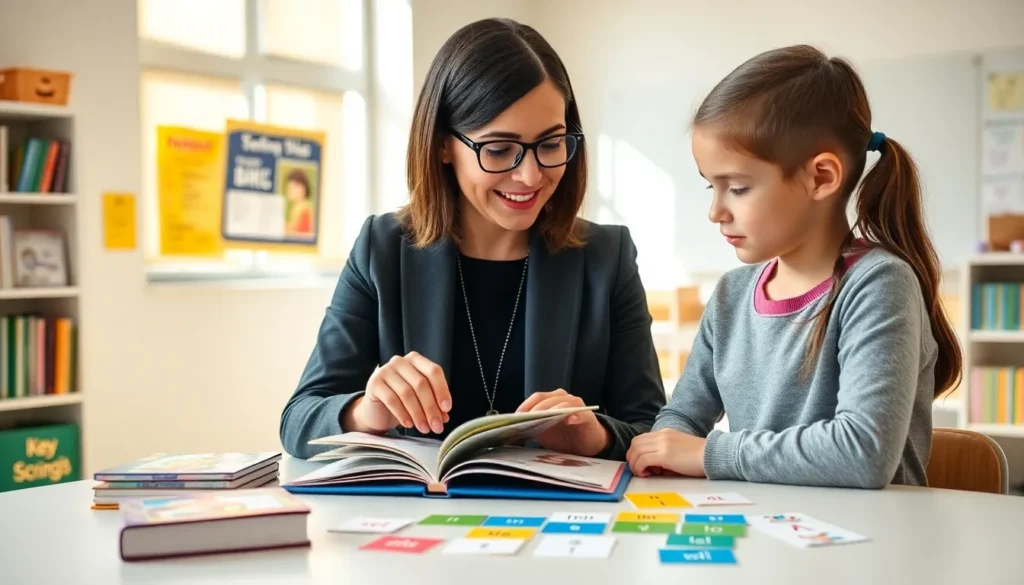
ToggleReading and literacy development techniques form the foundation of lifelong learning. Strong readers become confident learners, effective communicators, and independent thinkers. Whether teaching a child to decode their first words or helping an adult improve comprehension, the right strategies make all the difference.
Literacy skills don’t develop by accident. They require intentional instruction, consistent practice, and supportive environments. The good news? Research-backed methods work across age groups. From phonemic awareness to fluency building, these techniques help learners at every stage.
This guide breaks down proven reading and literacy development techniques that educators, parents, and learners can apply immediately.
Key Takeaways
- Reading and literacy development techniques build on five core components: phonemic awareness, phonics, vocabulary, fluency, and comprehension.
- Systematic phonics instruction outperforms whole-language approaches and produces measurable results for beginning readers.
- Learners need 10-15 meaningful interactions with a new vocabulary word before it sticks—one exposure isn’t enough.
- Repeated reading is the gold standard fluency technique, building automaticity with high-frequency words through multiple practice sessions.
- Daily independent reading of 20-30 minutes significantly improves vocabulary and comprehension across all age groups.
- A supportive literacy environment—with diverse book choices, modeled reading behavior, and low-stakes practice—accelerates reading development as much as direct instruction.
Understanding the Building Blocks of Literacy
Literacy development rests on five core components: phonemic awareness, phonics, vocabulary, fluency, and comprehension. Each element builds on the others. Skip one, and learners struggle with the rest.
Phonemic awareness teaches learners to hear and manipulate individual sounds in words. Phonics connects those sounds to written letters. Vocabulary provides the word bank readers need to understand text. Fluency allows smooth, expressive reading. Comprehension ties everything together, it’s the ability to extract meaning from what’s read.
These building blocks apply to all ages. A struggling adult reader often has gaps in phonemic awareness, just like a beginning kindergartner might. Effective reading and literacy development techniques address each component systematically.
Assessment matters here. Before jumping into instruction, identify which building blocks need attention. A quick phonics screener or vocabulary assessment can reveal exactly where to focus. This targeted approach saves time and accelerates progress.
Phonemic Awareness and Phonics Instruction
Phonemic awareness is the ability to identify and work with individual sounds in spoken language. It’s purely auditory, no letters involved yet. Learners practice blending sounds (“What word do /c/ /a/ /t/ make?”) and segmenting them (“What sounds do you hear in ‘dog’?”).
Strong phonemic awareness predicts reading success better than IQ or socioeconomic background. That’s a powerful finding. Daily practice with sound manipulation games, rhyming activities, and oral blending exercises builds this skill quickly.
Phonics instruction connects sounds to letters. Systematic phonics programs teach letter-sound relationships in a logical sequence. Learners start with simple consonant-vowel-consonant words (cat, dog, sit) before tackling digraphs (sh, ch, th) and more complex patterns.
Effective Phonics Strategies
- Explicit instruction: Directly teach each letter-sound correspondence. Don’t assume learners will figure it out.
- Multisensory methods: Combine visual, auditory, and kinesthetic learning. Trace letters in sand while saying their sounds.
- Decodable texts: Provide books that match current phonics knowledge. Early readers need practice with words they can actually sound out.
- Cumulative review: Continuously revisit previously taught patterns.
Reading and literacy development techniques that prioritize phonics produce measurable results. Research consistently shows systematic phonics instruction outperforms whole-language approaches for beginning readers.
Building Vocabulary and Comprehension Skills
Vocabulary knowledge directly impacts comprehension. Readers who know more words understand more text. It’s that simple.
Direct vocabulary instruction works best. Select words that appear frequently across texts (Tier 2 words like “analyze,” “contrast,” “sequence”) and teach them explicitly. Provide definitions, examples, and multiple exposures. One encounter with a new word isn’t enough, learners need 10-15 meaningful interactions before a word sticks.
Wide reading expands vocabulary naturally. Readers encounter new words in context and learn their meanings through repeated exposure. Encourage reading across genres and subjects. A reader who only reads fiction misses vocabulary from science, history, and technical fields.
Comprehension Strategies That Work
Comprehension isn’t passive. Good readers actively engage with text using specific strategies:
- Predicting: What might happen next? What will the author discuss?
- Questioning: Ask questions before, during, and after reading.
- Summarizing: Identify main ideas and supporting details.
- Making connections: Link text to personal experience, other texts, or world knowledge.
- Visualizing: Create mental images of what’s described.
These reading and literacy development techniques require modeling. Show learners how skilled readers think through text. Think-alouds, where instructors verbalize their thought process while reading, demonstrate these invisible skills.
Comprehension also depends on background knowledge. Readers understand new information by connecting it to what they already know. Build background knowledge through diverse reading, discussions, and real-world experiences.
Strategies for Developing Fluent Readers
Fluency bridges decoding and comprehension. Fluent readers read accurately, at an appropriate speed, with proper expression. Without fluency, readers spend so much mental energy on decoding that comprehension suffers.
Repeated reading is the gold standard for fluency development. Learners read the same passage multiple times until they reach a target accuracy and speed. This isn’t boring, it’s effective. Each re-read builds automaticity with high-frequency words and common phrases.
Practical Fluency Activities
- Choral reading: Read aloud together as a group. Struggling readers gain support from stronger peers.
- Echo reading: The instructor reads a sentence: the learner repeats it with the same phrasing and expression.
- Partner reading: Pairs take turns reading aloud and providing feedback.
- Recorded reading: Learners record themselves, listen back, and self-assess.
Model fluent reading daily. When learners hear what fluent reading sounds like, they develop an internal standard to work toward. Audiobooks serve this purpose well for independent practice.
Reading and literacy development techniques for fluency should include timed practice. Track words-per-minute progress to motivate learners and identify those needing additional support. Most importantly, choose texts at the right difficulty level, challenging enough to build skills but not so hard that frustration sets in.
Creating a Supportive Literacy Environment
Environment shapes reading habits. Learners need access to books, dedicated reading time, and adults who value literacy. These factors influence reading development as much as instruction does.
Stock libraries and classrooms with diverse, engaging texts. Include fiction, nonfiction, graphic novels, magazines, and audiobooks. Choice matters, readers who select their own materials read more and enjoy reading more.
Schedule daily independent reading time. Research shows 20-30 minutes of daily reading significantly improves vocabulary and comprehension. Protect this time. It’s not optional enrichment: it’s essential practice.
Building a Reading Culture
Adults model reading behavior. When children see parents and teachers reading for pleasure, they internalize that reading matters. Talk about books at dinner. Share recommendations. Display what you’re currently reading.
Celebrate reading progress without creating pressure. Some learners develop anxiety around reading, especially those who’ve struggled. Create low-stakes opportunities to practice. Reading to younger children or pets removes performance pressure while building fluency.
Digital tools can support literacy development when used intentionally. Apps that reinforce phonics patterns or provide interactive vocabulary practice complement traditional instruction. But, screen time shouldn’t replace actual reading.
Reading and literacy development techniques work best in environments where mistakes are learning opportunities, not failures. Encourage risk-taking with challenging texts. Support struggle without rescuing too quickly.