Table of Contents
ToggleReading and literacy development tools help children and adults build essential language skills. These tools range from physical books and phonics kits to digital apps and online platforms. Parents, teachers, and learners use them to improve reading fluency, comprehension, and vocabulary. This guide covers the most effective reading and literacy development tools available today. It explains why literacy matters, what tools work best for different ages, and how to use them successfully.
Key Takeaways
- Reading and literacy development tools range from phonics kits and picture books to digital apps, helping learners of all ages build essential language skills.
- Early intervention matters most—children who receive quality literacy instruction before age eight show lasting academic improvements.
- Effective literacy tools should match the learner’s age and skill level, from board books for pre-readers to high-interest materials for teens and adults.
- Consistency beats intensity: 20 minutes of daily reading practice produces better results than occasional longer sessions.
- Combine multiple reading and literacy development tools—phonics, fluency practice, vocabulary building, and comprehension work—for the best outcomes.
- Free digital resources like library apps (Libby, OverDrive) remove cost barriers and expand access to thousands of books for families.
Why Literacy Development Matters
Strong literacy skills affect every part of a person’s life. Children who read well perform better in school across all subjects. Adults with solid reading abilities earn higher wages and enjoy greater career opportunities.
Research from the National Center for Education Statistics shows that 21% of U.S. adults read at or below a fifth-grade level. This gap creates real problems. People with low literacy struggle to understand medical instructions, fill out job applications, and participate fully in civic life.
Reading and literacy development tools address these challenges directly. They provide structured practice that builds skills over time. Early intervention proves especially valuable, children who receive quality literacy instruction before age eight show lasting improvements in academic performance.
Literacy also connects to mental health and social outcomes. Reading expands vocabulary, which helps people express their thoughts and feelings more clearly. It builds empathy through exposure to different perspectives and experiences. These benefits extend far beyond the classroom.
The good news? Literacy skills can improve at any age. With the right tools and consistent practice, both children and adults can make significant progress.
Essential Tools for Early Readers
Early readers need tools that build foundational skills. Phonics instruction remains the gold standard for teaching children to decode words. Several categories of reading and literacy development tools serve this population effectively.
Phonics-Based Programs
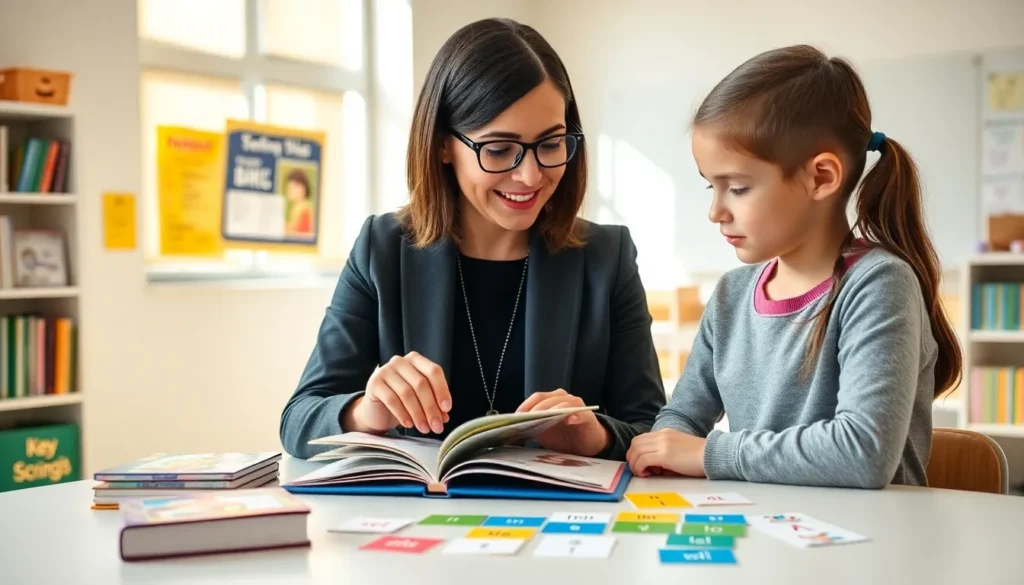
Phonics programs teach the relationship between letters and sounds. Popular options include:
- Decodable readers: Books written with controlled vocabulary that matches a child’s phonics knowledge
- Letter tiles and magnetic letters: Hands-on tools for building and manipulating words
- Phonics workbooks: Structured exercises that reinforce letter-sound connections
Picture Books and Read-Alouds
Reading aloud to children builds vocabulary and comprehension before they can read independently. Quality picture books expose children to rich language and story structure. They also create positive associations with reading.
Sight Word Tools
Some common words don’t follow standard phonics rules. Flashcards, games, and repetition help children memorize these high-frequency words. Mastering sight words increases reading fluency significantly.
Writing Materials
Reading and writing develop together. Journals, tracing sheets, and letter formation guides help young learners connect spoken language to written text. When children write, they reinforce the reading skills they’re building.
Digital Resources for Building Reading Skills
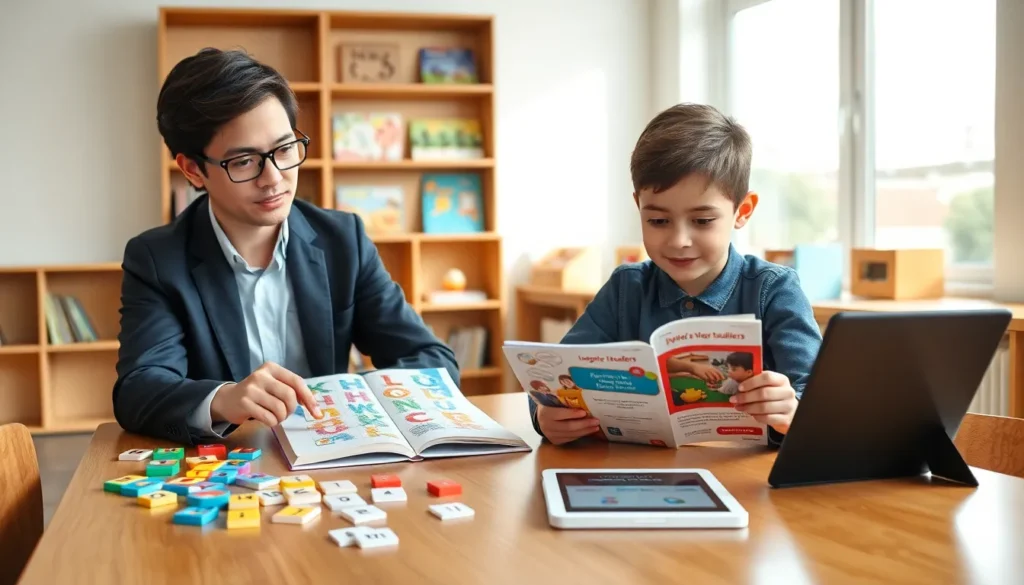
Technology has expanded access to reading and literacy development tools dramatically. Digital resources offer personalized learning, instant feedback, and engaging formats that keep learners motivated.
Reading Apps
Apps like Epic., Reading Eggs, and Starfall provide interactive reading experiences. Many apps adjust difficulty levels based on user performance. This adaptive approach ensures learners face appropriate challenges without becoming frustrated.
Audiobooks and Text-to-Speech
Audiobooks help struggling readers access age-appropriate content while building comprehension skills. Text-to-speech features in e-readers allow users to hear words pronounced correctly as they follow along visually.
Online Tutoring Platforms
Virtual tutoring connects learners with reading specialists regardless of location. Platforms offer one-on-one instruction, progress tracking, and flexible scheduling. Some programs focus specifically on dyslexia and other reading difficulties.
Educational Games
Gamers learn vocabulary, spelling, and comprehension through play. Well-designed educational games disguise practice as entertainment. Children often spend more time with these tools voluntarily.
Library Digital Collections
Public libraries now offer free access to thousands of e-books and audiobooks through apps like Libby and OverDrive. These reading and literacy development tools remove cost barriers that prevent many families from building home libraries.
Choosing the Right Tools for Different Age Groups
Age and skill level determine which reading and literacy development tools work best. A tool that engages a five-year-old may bore a teenager. Matching tools to learners increases effectiveness.
Ages 0-5: Pre-Readers
Board books, nursery rhymes, and alphabet toys introduce language concepts. At this stage, reading and literacy development tools should emphasize listening, vocabulary building, and print awareness. Interactive books with textures, flaps, and sounds capture attention.
Ages 5-8: Beginning Readers
Phonics programs and decodable texts matter most during these years. Leveled readers allow children to progress at their own pace. Reading and literacy development tools for this group should provide plenty of repetition without boring the learner.
Ages 8-12: Developing Readers
Chapter books, graphic novels, and subject-specific texts build fluency and content knowledge. Comprehension strategies become important, tools that teach summarization, prediction, and inference support deeper understanding.
Ages 13+: Adolescent and Adult Learners
Older learners benefit from high-interest, low-reading-level materials. Digital tools that allow private practice appeal to teens and adults who feel embarrassed about their reading struggles. Vocabulary builders and speed-reading programs help advanced readers continue improving.
Strategies for Effective Implementation
Having great reading and literacy development tools isn’t enough. How people use these tools determines results.
Consistency Beats Intensity
Twenty minutes of daily reading practice produces better outcomes than occasional hour-long sessions. Regular exposure builds neural pathways that support automatic word recognition. Set a schedule and stick to it.
Combine Multiple Approaches
No single tool addresses all literacy needs. Effective programs combine phonics instruction, fluency practice, vocabulary development, and comprehension work. Use reading and literacy development tools that complement each other.
Make It Social
Reading doesn’t have to be solitary. Book clubs, buddy reading, and family read-aloud time add accountability and enjoyment. Discussion deepens comprehension and makes reading feel meaningful.
Track Progress
Measurement motivates. Use reading logs, assessment tools, or app-based tracking to show learners how far they’ve come. Visible progress encourages continued effort.
Match Difficulty to Skill
Material that’s too hard frustrates learners. Material that’s too easy bores them. The sweet spot sits just above current ability, challenging enough to promote growth but manageable enough to maintain confidence.
Create a Reading-Rich Environment
Surround learners with books and print materials. Classroom libraries, home bookshelves, and magazine subscriptions normalize reading as an everyday activity.