Table of Contents
ToggleToddler trends 2026 reflect a growing shift toward intentional, mindful parenting choices. Parents today want products and activities that support healthy development without unnecessary extras. This year, expect to see eco-friendly toys, screen-free play, sensory learning, and gender-neutral options leading the conversation.
The way families raise young children continues to change. Economic pressures, environmental awareness, and new research on child development all play a role. These toddler trends 2026 aren’t just fads, they represent real changes in how caregivers think about early childhood. Let’s break down what’s shaping the toddler years this year.
Key Takeaways
- Toddler trends 2026 prioritize eco-friendly products made from organic cotton, bamboo, and natural wood for safer, sustainable choices.
- Screen-free play is making a comeback, with parents embracing building blocks, play kitchens, and imaginative toys over digital entertainment.
- Sensory-based activities like water tables, playdough, and sensory bins support fine motor skills, language development, and emotional regulation.
- Gender-neutral clothing and toys in diverse colors allow toddlers to explore interests freely without traditional color-coded limitations.
- Outdoor and nature-focused play remains essential, with forest schools and backyard activities boosting physical health, creativity, and independence.
Sustainable and Eco-Friendly Products Take Center Stage
Sustainability has moved from niche to mainstream in the toddler market. Parents are choosing products made from organic cotton, recycled plastics, and natural wood. They’re reading labels more carefully and asking harder questions about where items come from.
Toddler trends 2026 show a clear preference for brands that prioritize environmental responsibility. Cloth diapers have seen a resurgence, with modern designs that are easier to use than older versions. Bamboo-based products, from utensils to clothing, are especially popular because bamboo grows quickly and requires fewer resources.
Toy companies have responded to this demand. Many now offer packaging-free options or use plant-based inks on boxes. Wooden toys made from FSC-certified forests are selling well. Some brands even offer take-back programs where old toys can be returned for recycling or refurbishment.
This shift isn’t just about feeling good. Many eco-friendly products are also safer. They contain fewer chemicals, dyes, and synthetic materials that can irritate sensitive toddler skin. Parents report that these choices feel like a win for both their children and the planet.
Tech-Free Play and Screen Time Awareness
Screen time limits are a hot topic among parents of toddlers in 2026. The American Academy of Pediatrics recommends no more than one hour of high-quality programming per day for children ages 2 to 5. Many families are taking this advice seriously.
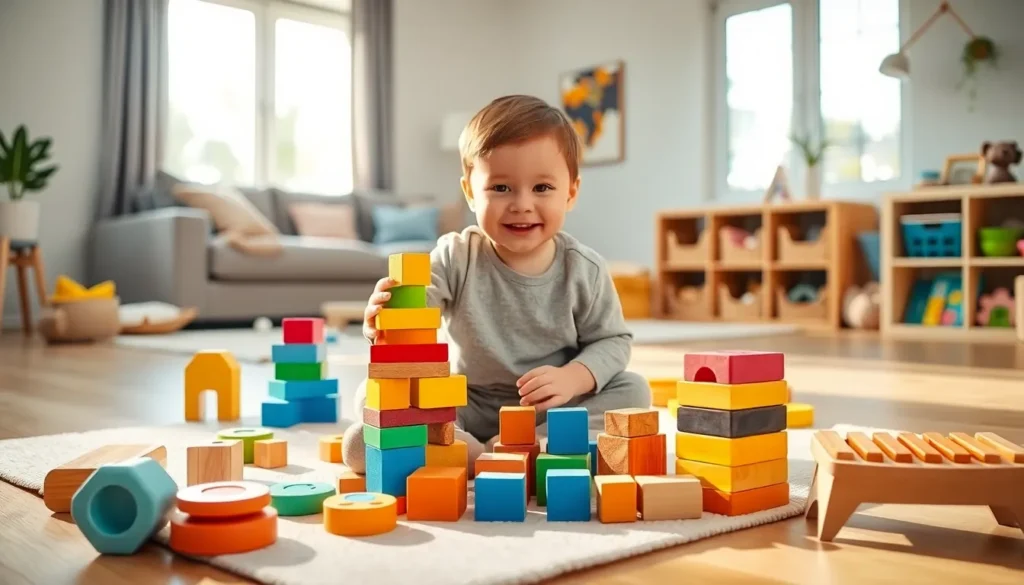
Toddler trends 2026 emphasize hands-on play over digital entertainment. Building blocks, play kitchens, and dress-up clothes are back in style. Parents value toys that encourage imagination rather than passive watching.
Research supports this approach. Studies link excessive screen time in early childhood to delayed language development and shorter attention spans. On the other hand, unstructured play helps toddlers build problem-solving skills and emotional regulation.
Some parents have created “tech-free zones” in their homes. Bedrooms and dining areas are common choices. Others designate specific times, like the hour before bed, as screen-free. These boundaries help toddlers learn that devices have their place, but so does real-world interaction.
The goal isn’t to demonize technology. It’s about balance. A video call with grandparents or an educational app used together can be positive. The key is intentional use rather than default entertainment.
Sensory-Based Learning and Development
Sensory play has become a cornerstone of toddler trends 2026. This type of activity engages a child’s senses, touch, smell, sight, sound, and taste, to promote learning and development.
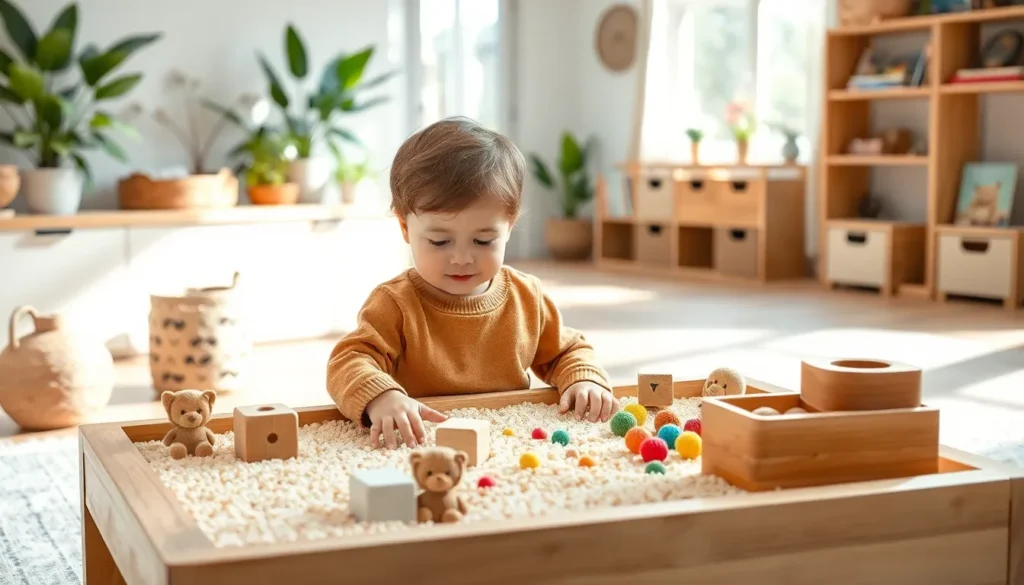
Popular sensory activities include water tables, sand play, playdough, and sensory bins filled with rice, beans, or textured objects. These experiences help toddlers develop fine motor skills and hand-eye coordination. They also support cognitive growth by encouraging exploration and curiosity.
Parents and educators have embraced sensory play for its calming effects too. Many toddlers find repetitive sensory activities soothing. Squeezing playdough or running fingers through kinetic sand can reduce anxiety and help children self-regulate.
Montessori-inspired products are particularly popular this year. These items focus on natural materials and open-ended play. A simple wooden stacking toy or a set of fabric squares in different textures can provide hours of engagement.
Sensory play also supports language development. When adults describe what a toddler is experiencing, “The sand feels gritty” or “That water is cold”, they build vocabulary and connection. It’s learning disguised as fun.
Gender-Neutral Clothing and Toys
Gender-neutral options are among the most visible toddler trends 2026. More parents are moving away from traditional pink-for-girls and blue-for-boys divisions. They want their children to explore interests freely, without color-coded limitations.
Clothing brands have responded with expanded palettes. Greens, yellows, oranges, and earth tones are common choices. Designs feature animals, nature scenes, and geometric patterns rather than princess or superhero themes. These clothes can be passed down between siblings regardless of gender, which also appeals to budget-conscious families.
Toy manufacturers are following suit. Play kitchens and tool sets now come in neutral colors. Dolls are marketed to all children, not just girls. Building sets feature diverse figures and scenarios.
This trend reflects broader cultural conversations about gender and identity. Many parents want to let their toddlers develop preferences organically. If a boy wants to play with dolls or a girl loves trucks, that’s celebrated rather than discouraged.
Research suggests that rigid gender expectations can limit children’s development. When toddlers have access to a wide range of toys and activities, they build more diverse skills and interests.
Outdoor and Nature-Focused Activities
Outdoor play is a priority in toddler trends 2026. Parents recognize the physical and mental health benefits of time spent in nature. Fresh air, sunlight, and open space offer what indoor environments can’t.
Forest schools and nature-based preschools have grown in popularity. These programs hold classes outdoors regardless of weather. Toddlers learn through exploration, examining bugs, collecting leaves, splashing in puddles. The philosophy is simple: nature is the best classroom.
Even families without access to formal programs are bringing more outdoor time into daily routines. Backyard play, neighborhood walks, and visits to local parks have become central to toddler schedules. Some parents have invested in outdoor play equipment like climbing structures, mud kitchens, and sandboxes.
The benefits are well-documented. Outdoor play improves gross motor skills, boosts immune function, and supports better sleep. Exposure to natural light helps regulate circadian rhythms. And unstructured outdoor time encourages creativity and independence.
Toddler trends 2026 also show interest in gardening with young children. Even simple activities like watering plants or digging in dirt teach responsibility and patience. Plus, toddlers who help grow vegetables are more likely to eat them.