Table of Contents
ToggleReading and literacy development shapes how children learn, communicate, and succeed in school and beyond. Strong reading skills open doors to academic achievement, critical thinking, and personal growth. Yet many children struggle with literacy, and the reasons vary widely, from limited access to books to inconsistent instruction at home or school.
This guide breaks down the stages of literacy development, examines what influences reading ability, and offers practical strategies for parents and educators. Whether a child is just learning letter sounds or working to improve comprehension, understanding how literacy grows helps adults provide the right support at the right time.
Key Takeaways
- Reading and literacy development progresses through five stages, from emergent literacy in early childhood to advanced critical reading skills in adolescence and beyond.
- Phonological awareness, vocabulary exposure, and access to books are among the most influential factors shaping a child’s reading ability.
- Systematic phonics instruction produces better reading outcomes than methods relying on memorization or guessing from context.
- Reading aloud daily exposes children to advanced vocabulary and sentence structures while building positive associations with books.
- Parents and educators working together create the strongest foundation for literacy development, especially for struggling readers who benefit from early intervention.
The Stages of Literacy Development
Literacy development follows a predictable path, though children move through it at different speeds. Researchers typically identify five main stages that mark progress from pre-reading to fluent comprehension.
Emergent Literacy (Birth to Age 5)
Before children read their first word, they build foundational skills. They learn that print carries meaning, recognize some letters, and start connecting sounds to symbols. Picture books, nursery rhymes, and conversations all fuel this stage. A child who sees adults reading often develops curiosity about books.
Early Reading (Ages 5-7)
This stage brings phonemic awareness into focus. Children learn to decode words by sounding them out. They recognize common sight words and begin reading simple sentences. Mistakes are normal, and actually helpful. Each error gives practice in self-correction.
Transitional Reading (Ages 7-9)
Readers at this stage move from “learning to read” toward “reading to learn.” Fluency improves. Children read longer texts and start understanding plot, character, and sequence. They still need support with unfamiliar vocabulary and more complex sentence structures.
Fluent Reading (Ages 9-15)
Fluent readers process text quickly and accurately. They adjust their reading speed based on purpose, skimming for information or slowing down for difficult passages. Comprehension deepens, and readers begin analyzing themes and making inferences.
Advanced Literacy (Ages 15+)
At this stage, readers engage critically with complex texts across subjects. They evaluate arguments, synthesize information from multiple sources, and read strategically. Literacy development doesn’t stop here, adults continue refining these skills throughout life.
Key Factors That Influence Reading Skills
Reading and literacy development depends on more than just instruction. Multiple factors shape a child’s reading journey, and understanding them helps identify where support is needed most.
Phonological Awareness
The ability to hear and manipulate sounds in words forms the bedrock of reading. Children who struggle to rhyme, blend sounds, or break words into syllables often face reading difficulties later. Early intervention makes a significant difference.
Vocabulary and Language Exposure
Children who hear rich, varied language develop larger vocabularies. Research shows that by age 3, children from language-rich homes may know twice as many words as peers with less exposure. This gap affects reading comprehension for years.
Access to Books and Reading Materials
Simple but powerful: children who have books at home read more. A 2018 study found that growing up with home libraries of at least 80 books significantly boosted literacy, numeracy, and technology skills in adulthood.
Quality of Instruction
Teaching methods matter. Structured literacy approaches that explicitly teach phonics, spelling patterns, and comprehension strategies produce better outcomes than methods that rely heavily on memorization or guessing from context.
Socioeconomic Factors
Poverty correlates with lower literacy rates, largely because it limits access to books, quality schools, and time for reading at home. Addressing literacy gaps requires acknowledging these systemic barriers.
Learning Differences
Conditions like dyslexia affect how the brain processes written language. Early identification and specialized instruction help these learners succeed, but many go undiagnosed for years.
Effective Strategies to Support Literacy Growth
Building strong reading and literacy development requires intentional practice and the right approaches. These strategies work across age groups and settings.
Read Aloud Daily
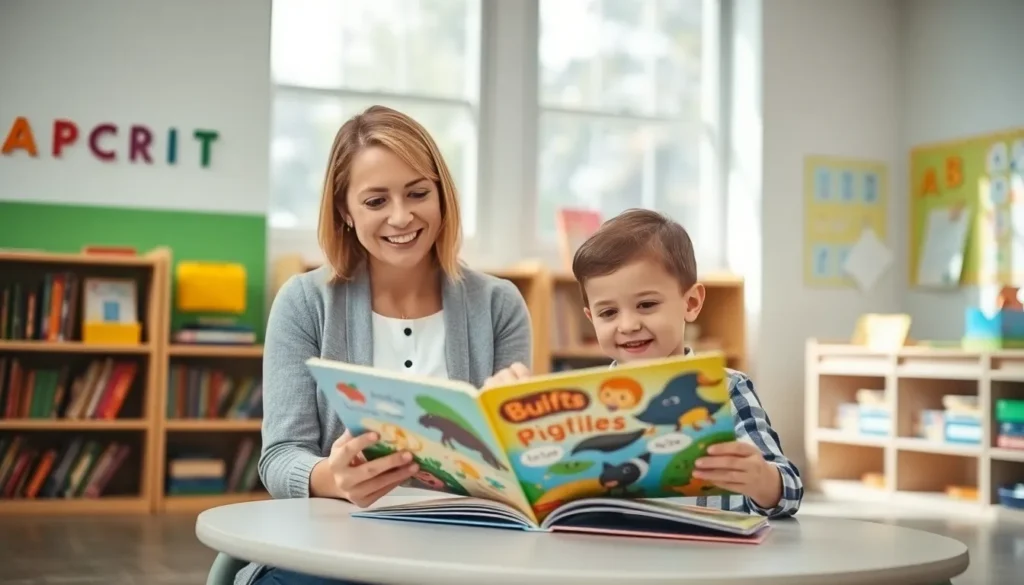
Reading aloud exposes children to vocabulary, sentence structures, and ideas beyond their independent reading level. It also builds positive associations with books. Even older children benefit from hearing fluent reading modeled.
Focus on Phonics Instruction
Systematic phonics instruction teaches the relationship between letters and sounds in a logical sequence. Children learn to decode unfamiliar words rather than guess. This approach proves especially effective for struggling readers.
Build Vocabulary Intentionally
Don’t assume children will pick up new words on their own. Teach vocabulary explicitly, provide definitions in context, and encourage children to use new words in conversation and writing.
Encourage Wide Reading
Volume matters. Children who read more become better readers. Let children choose books that interest them, graphic novels, sports biographies, fantasy series, anything that keeps them turning pages.
Ask Questions During Reading
Comprehension improves when readers actively engage with text. Ask “why” and “how” questions. Encourage predictions. Discuss characters’ motivations. These conversations build deeper understanding.
Provide Writing Opportunities
Reading and writing reinforce each other. When children write, they practice spelling, sentence construction, and organizing ideas. Journals, letters, stories, and even text messages all count.
Monitor Progress and Adjust
Regular assessment helps identify what’s working and what isn’t. If a child plateaus, try a different approach. Literacy development isn’t linear, and flexibility matters.
The Role of Parents and Educators
Reading and literacy development thrives when adults work together. Parents and educators each bring unique strengths to supporting young readers.
What Parents Can Do
Parents don’t need teaching degrees to make a difference. Reading with children for even 15 minutes daily builds skills and strengthens bonds. Talking about books, pointing out print in the environment, and showing enthusiasm for reading all send powerful messages.
Creating a literate home environment helps too. Keep books visible and accessible. Limit screen time that competes with reading. Visit libraries regularly. And perhaps most importantly, let children see adults reading for pleasure.
What Educators Can Do
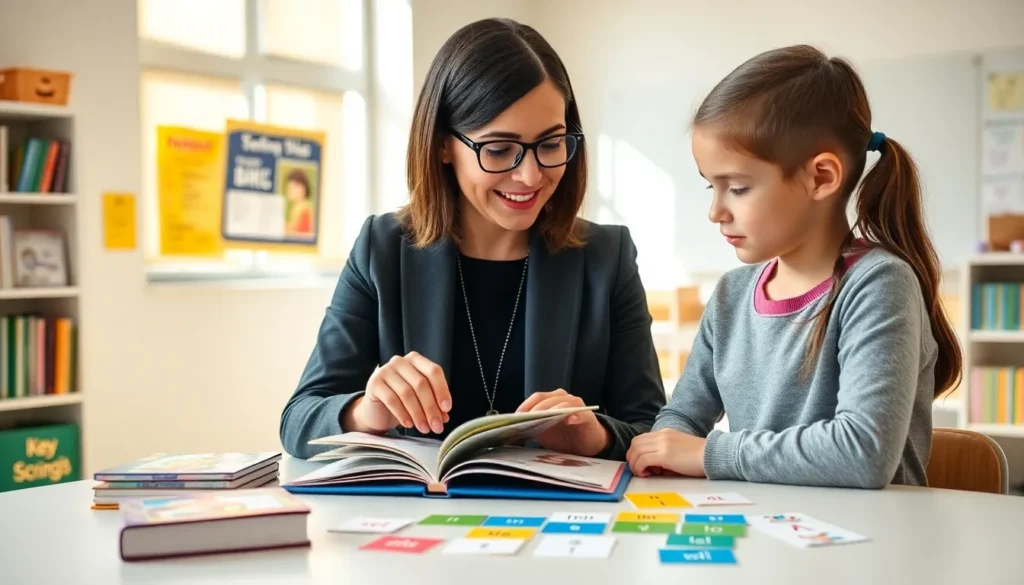
Teachers provide systematic instruction that most parents can’t replicate at home. Effective literacy educators use evidence-based methods, assess students regularly, and differentiate instruction based on individual needs.
They also create classroom cultures where reading feels rewarding rather than punitive. Book talks, reading challenges, author visits, and classroom libraries all spark interest. Teachers who share their own reading lives inspire students.
The Power of Partnership
Communication between home and school multiplies impact. When parents know what skills teachers are targeting, they can reinforce those lessons. When teachers understand a child’s reading interests and home environment, they can personalize instruction.
This partnership proves especially critical for struggling readers. Early intervention works best when everyone, parents, teachers, and specialists, aligns their efforts.