Table of Contents
ToggleToddlers examples offer valuable insight into how young children grow, learn, and interact with the world around them. The toddler stage spans roughly ages one to three, and it’s packed with rapid changes. Children at this age begin walking, talking, and forming their first real opinions, sometimes loudly. Understanding what’s normal during this phase helps parents and caregivers respond with patience and appropriate support. This article breaks down key toddler milestones, common behaviors, and activities that match a young child’s developmental needs.
Key Takeaways
- Toddlers examples of development include walking, forming simple sentences, and asserting independence between ages 1 and 3.
- Physical milestones progress from first steps at 12–18 months to running, jumping, and drawing simple shapes by age 3.
- Language development explodes during toddlerhood, growing from a few words at 12 months to short sentences and questions by age 3.
- Common toddler behaviors like tantrums, saying “no,” and separation anxiety are normal signs of emotional and cognitive growth.
- Age-appropriate activities such as reading, outdoor play, creative arts, and free play support well-rounded toddler development.
- Understanding toddlers examples of typical milestones helps parents respond with patience and provide appropriate support.
What Defines a Toddler
A toddler is a child between the ages of 12 months and 36 months. The term comes from the word “toddle,” which describes the unsteady way young children walk when they first learn. This period marks a major shift from infancy. Babies depend on others for almost everything. Toddlers, but, start to assert independence.
During this stage, children develop motor skills, language, and social awareness at a fast pace. They move from crawling to walking, from babbling to speaking simple sentences, and from parallel play to early social interaction. Toddlers examples of this growth include a 15-month-old taking first steps or a 2-year-old saying “I do it myself.”
Physically, toddlers gain better control over their bodies. They learn to run, climb, and manipulate objects with their hands. Emotionally, they experience big feelings but lack the tools to manage them. This leads to tantrums, which are a normal part of toddler development.
Cognitive growth also accelerates. Toddlers begin to understand cause and effect, recognize familiar faces, and follow simple instructions. They show curiosity about everything, often asking “why” repeatedly. These behaviors signal healthy brain development.
Examples of Toddler Developmental Milestones
Developmental milestones provide benchmarks for typical toddler growth. These markers help parents and pediatricians track progress and identify potential delays early. Toddlers examples of milestones vary by age and category.
Physical Development
Physical milestones involve gross motor and fine motor skills. Gross motor skills use large muscle groups. Fine motor skills involve smaller movements, like using fingers.
At 12 to 18 months, most toddlers begin walking without support. They may climb onto furniture, stack two or three blocks, and hold a spoon. By age two, children typically run, kick a ball, and turn pages in a book. At three years old, many toddlers can pedal a tricycle, draw simple shapes, and dress themselves with help.
Toddlers examples of physical development also include jumping with both feet, throwing a ball overhand, and walking up stairs with alternating feet. Each child progresses at their own pace, but these markers offer general guidelines.
Language and Communication
Language development explodes during the toddler years. At 12 months, most children say one or two words like “mama” or “dada.” By 18 months, vocabulary often grows to 10 to 20 words. Two-year-olds typically combine two words into simple phrases such as “more milk” or “daddy go.”
By age three, many toddlers speak in short sentences and ask questions. They understand most of what adults say to them. Toddlers examples of communication growth include naming body parts, following two-step instructions, and engaging in simple conversations.
Non-verbal communication also matters. Toddlers point to objects they want, shake their heads for “no,” and wave goodbye. These gestures show understanding before verbal skills fully develop.
Common Toddler Behaviors and What They Mean
Toddler behavior often confuses parents. Many actions that seem problematic are actually normal developmental signs. Understanding these behaviors reduces frustration and improves responses.
Tantrums rank among the most common toddler behaviors. Children at this age feel strong emotions but can’t express or regulate them yet. A tantrum usually signals frustration, hunger, tiredness, or overstimulation. Staying calm and providing comfort helps toddlers learn to manage emotions over time.
Saying “no” frequently is another classic toddler behavior. This word represents growing independence and self-awareness. Toddlers realize they have preferences and want to assert them. Offering limited choices, like “red shirt or blue shirt”, gives them control without endless battles.
Biting, hitting, and pushing sometimes occur in toddlers. These actions don’t indicate aggression in the adult sense. Young children lack impulse control and communication skills. They may bite when frustrated or hit when they can’t express feelings with words. Consistent redirection and teaching alternative behaviors help address these issues.
Separation anxiety peaks during toddlerhood for many children. Crying when a parent leaves is normal and shows healthy attachment. Short, positive goodbyes work better than prolonged departures.
Toddlers examples of other common behaviors include picky eating, resistance to bedtime, and intense interest in routines. These patterns reflect developmental needs for control, security, and predictability.
Examples of Age-Appropriate Toddler Activities
Activities that match a toddler’s developmental level support growth and keep children engaged. The best toddler activities build skills while providing fun.
For physical development, try activities like playing with balls, climbing on playground equipment, and dancing to music. Simple obstacle courses using cushions or boxes encourage movement and coordination. Water play and sandbox activities develop fine motor skills.
Language activities include reading books daily, singing songs, and naming objects during everyday tasks. Asking open-ended questions like “What do you see?” encourages verbal responses. Toddlers examples of language-building activities also include describing actions during play and repeating new words.
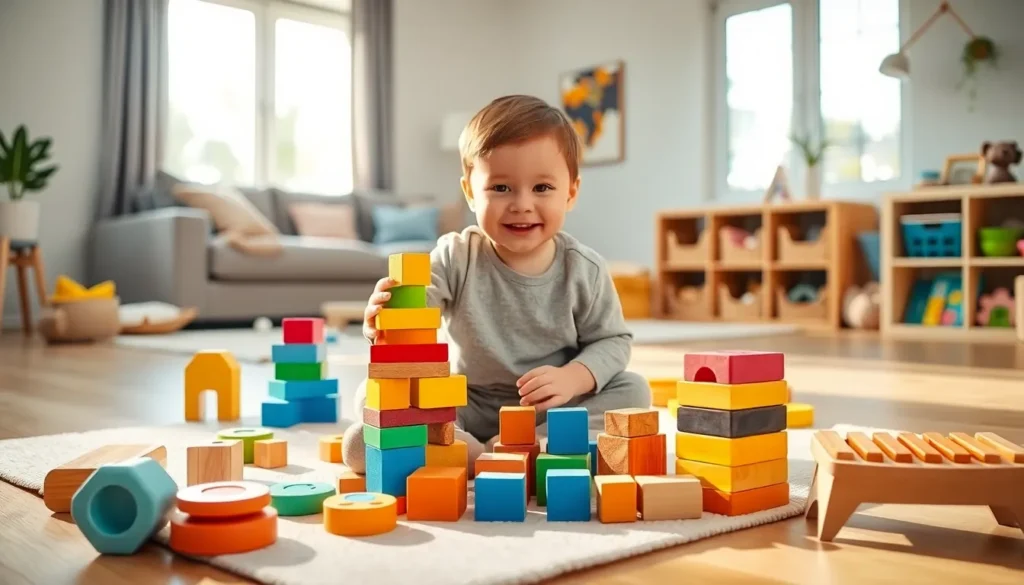
Creative play supports cognitive and emotional development. Finger painting, play dough, and coloring with crayons let toddlers express themselves. Building with blocks teaches spatial awareness and problem-solving.
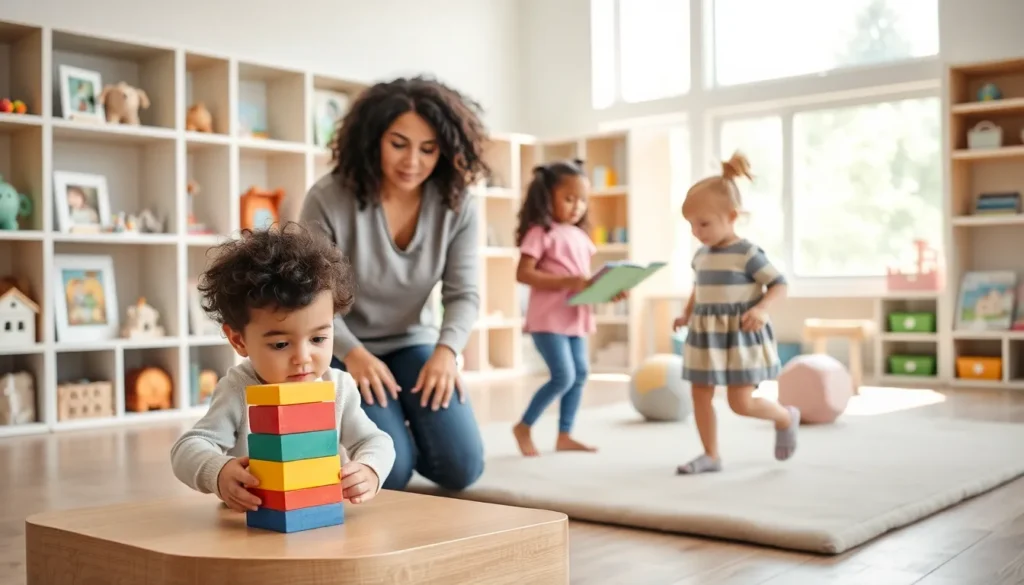
Social activities help toddlers learn to interact with others. Playdates, group story time, and simple turn-taking games introduce social concepts. Role-playing with dolls or stuffed animals lets children practice social scenarios.
Outdoor exploration offers rich learning opportunities. Walks in the park, collecting leaves, and watching insects teach observation skills. Nature play also burns energy and improves sleep.
Structured activities matter, but free play holds equal importance. Unstructured time lets toddlers follow their curiosity and develop creativity. A balance of both types supports well-rounded development.