Table of Contents
ToggleReading and literacy development examples show how children build language skills from preschool through high school. Parents, teachers, and caregivers need practical strategies to support learners at every stage. This guide covers proven methods for early literacy, elementary reading growth, and adolescent skill-building. It also includes activities families can use at home to reinforce classroom learning. Strong literacy skills open doors to academic success and lifelong learning.
Key Takeaways
- Reading and literacy development examples span from preschool phonological awareness activities to high school critical analysis skills.
- Early literacy foundations include rhyming games, letter recognition, and interactive read-alouds that build vocabulary and comprehension.
- Elementary students shift from learning to read to reading to learn through systematic phonics, fluency practice, and comprehension strategies.
- Middle and high school literacy development focuses on content-area reading skills, critical evaluation of sources, and academic vocabulary expansion.
- Families can reinforce literacy at home through daily reading routines, meaningful conversations about books, and everyday writing activities.
- Digital tools like educational apps and e-books can support reading growth when used to complement traditional reading experiences.
Early Literacy Development in Preschool and Kindergarten
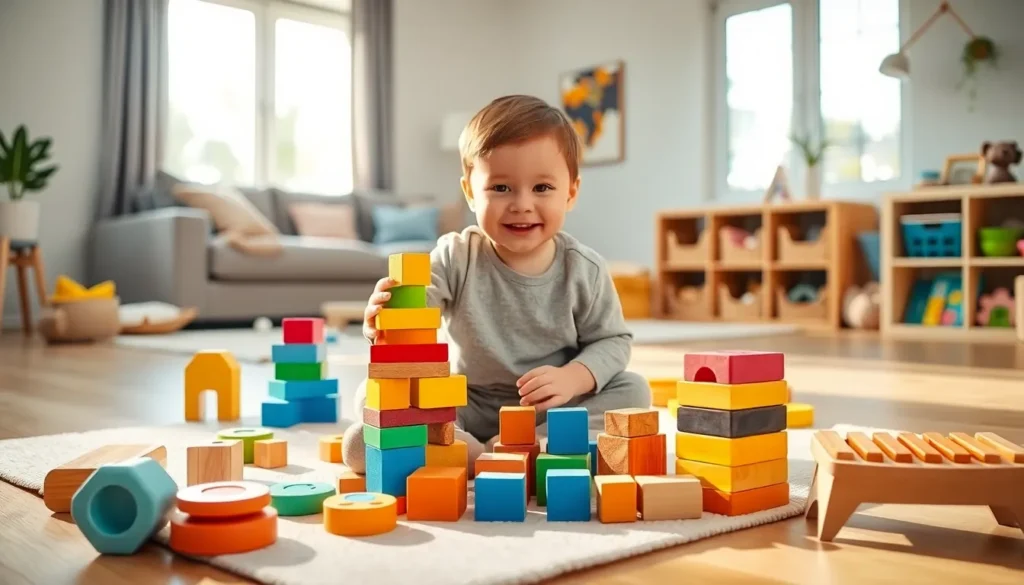
Early literacy development begins before children read their first word. Preschool and kindergarten lay the foundation for future reading success.
Phonological Awareness Activities
Phonological awareness helps children hear and manipulate sounds in spoken language. Teachers use rhyming games, clapping syllables, and identifying beginning sounds. A child who can hear that “cat” and “bat” rhyme builds essential pre-reading skills.
Reading and literacy development examples at this stage include:
- Singing nursery rhymes and songs
- Playing “I Spy” with beginning sounds
- Reading books with repetitive phrases
- Sorting picture cards by initial sounds
Print Awareness and Letter Recognition
Print awareness teaches children that written words carry meaning. Teachers point to words while reading aloud. They label classroom objects and create word walls. Children learn that reading moves from left to right and top to bottom.
Letter recognition activities include alphabet puzzles, magnetic letters, and name-writing practice. Research shows children who recognize letters by kindergarten have stronger reading outcomes in later grades.
Vocabulary Building Through Read-Alouds
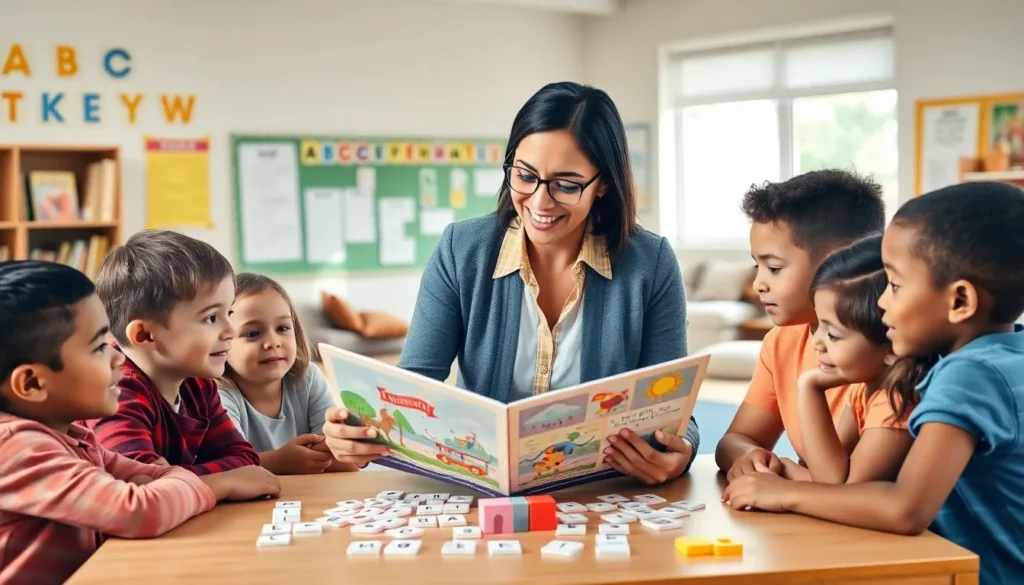
Daily read-alouds expand vocabulary and comprehension. Teachers choose books with rich language and engaging stories. They pause to explain new words and ask questions about the story. This interactive approach builds both listening skills and oral language.
Effective literacy development examples include picture walks before reading, prediction questions, and retelling activities after the story ends.
Building Reading Skills in Elementary School
Elementary school marks the shift from learning to read to reading to learn. Students develop fluency, comprehension, and a love for books during these critical years.
Phonics and Decoding Instruction
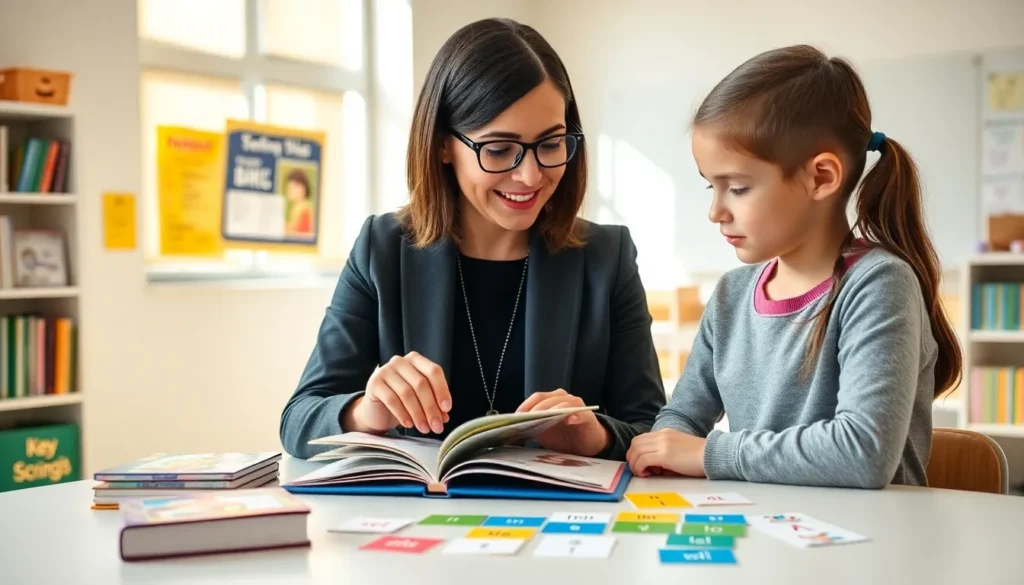
Systematic phonics instruction teaches students to decode unfamiliar words. Teachers introduce letter-sound relationships in a logical sequence. Students practice blending sounds to read words and breaking words into sounds for spelling.
Reading and literacy development examples for phonics include:
- Word family sorts (cat, hat, bat, sat)
- Decodable readers matched to skill level
- Word building with letter tiles
- Spelling dictation exercises
Fluency Practice
Fluent readers read accurately, at an appropriate speed, and with expression. Repeated reading of familiar texts builds fluency. Partner reading and reader’s theater make practice engaging.
Teachers track fluency progress through timed reading assessments. Students who struggle with fluency often benefit from audio-assisted reading, where they listen and read along with recorded text.
Comprehension Strategies
Comprehension instruction teaches students to think actively while reading. Effective strategies include:
- Making predictions before and during reading
- Asking questions about the text
- Visualizing scenes and characters
- Summarizing key events and ideas
- Making connections to personal experiences
Reading and literacy development examples show that explicit strategy instruction improves understanding across all subjects. Teachers model their thinking aloud, then guide students to practice independently.
Supporting Literacy Growth in Middle and High School
Literacy development continues through adolescence. Middle and high school students need instruction in advanced reading skills and critical thinking.
Content-Area Literacy
Every subject requires specific reading skills. Science texts demand close attention to diagrams and technical vocabulary. History texts require evaluation of primary sources and author perspective. Math word problems need careful analysis of what’s being asked.
Teachers support content-area reading through:
- Pre-reading vocabulary instruction
- Graphic organizers for note-taking
- Text annotation strategies
- Discussion protocols for complex texts
Critical Reading and Analysis
Older students learn to evaluate texts critically. They identify author purpose, bias, and rhetorical techniques. Reading and literacy development examples at this level include analyzing news articles for credibility, comparing multiple sources on the same topic, and identifying logical fallacies in arguments.
These skills prepare students for college coursework and informed citizenship. Students who can read critically make better decisions about the information they consume.
Vocabulary Expansion
Academic vocabulary grows through wide reading and explicit instruction. Students learn Greek and Latin roots to decode unfamiliar words. Context clue strategies help them figure out meaning independently.
Reading and literacy development examples include word study notebooks, vocabulary journals, and discussion of word relationships. Students who read regularly encounter more words in context, which accelerates vocabulary growth.
Effective Activities to Encourage Literacy at Home
Families play a crucial role in literacy development. Home activities reinforce school learning and build positive attitudes toward reading.
Daily Reading Routines
Establishing a daily reading habit matters more than the amount of time spent. Even 15 minutes of reading each day adds up to significant practice over a school year. Families can:
- Read aloud together, even with older children
- Set aside quiet reading time for the whole family
- Keep books accessible throughout the home
- Visit the library regularly
Conversations and Word Play
Talk builds literacy. Families who discuss books, current events, and daily experiences expand children’s vocabulary and background knowledge. Word games like Scrabble, Boggle, and crossword puzzles make learning fun.
Reading and literacy development examples for conversation include asking open-ended questions about books, discussing characters’ motivations, and connecting stories to real-life situations.
Writing Opportunities
Writing reinforces reading skills. Children can:
- Keep journals or diaries
- Write letters or emails to relatives
- Create stories with illustrations
- Help with grocery lists and notes
These everyday activities show children that literacy has real-world purpose.
Technology and Digital Literacy
Digital tools can support reading growth when used thoughtfully. Educational apps provide phonics practice and reading games. E-books and audiobooks expand access to texts. But, screen time should complement, not replace, traditional reading experiences.
Reading and literacy development examples in digital spaces include following written game instructions, reading subtitles on videos, and researching topics of interest online.