Table of Contents
ToggleRaising a toddler brings daily surprises, challenges, and rewards. Parents need practical toddlers tips to handle everything from tantrums to bedtime routines. The toddler years, ages one through three, mark a period of rapid growth in language, motor skills, and independence. Children this age test boundaries, express big emotions, and discover the world around them.
This guide offers actionable toddlers tips for parents seeking clear strategies. It covers developmental stages, communication methods, tantrum management, routines, and play-based learning. Each section provides specific advice that parents can apply immediately.
Key Takeaways
- Effective toddlers tips include getting on their level, using simple language, and offering limited choices to reduce power struggles.
- Tantrums are a normal part of development—stay calm, validate feelings first, and set empathetic limits to help your toddler manage big emotions.
- Consistent routines for sleep, meals, and transitions give toddlers the predictability they need to thrive and reduce daily meltdowns.
- Play-based learning through sensory activities, outdoor exploration, and daily reading supports your toddler’s cognitive and language development.
- Prioritize 11 to 14 hours of sleep daily, including naps, as overtired toddlers experience more behavioral challenges.
- Involve toddlers in simple household tasks like cooking or cleaning to build practical skills and boost their confidence.
Understanding Toddler Development Stages
Toddler development happens in predictable stages, though each child moves at their own pace. Understanding these stages helps parents set realistic expectations and respond appropriately.
Physical Development
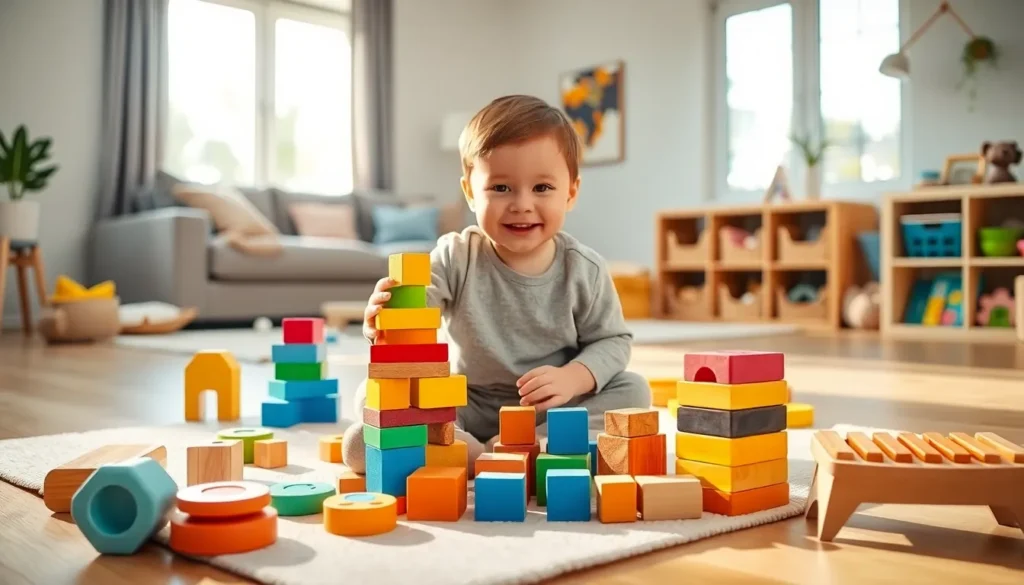
Between ages one and two, most toddlers begin walking independently. They learn to climb stairs, kick balls, and stack blocks. By age three, many children can run, jump, and pedal tricycles. Fine motor skills also improve, toddlers progress from scribbling to drawing basic shapes.
Language Development
At 12 months, toddlers typically say one to three words. By 18 months, vocabulary expands to around 20 words. Two-year-olds often speak in two-word phrases like “want milk” or “daddy go.” Three-year-olds usually form short sentences and ask questions constantly.
Social and Emotional Growth
Toddlers experience intense emotions but lack the skills to regulate them. They shift from parallel play (playing alongside peers) to interactive play around age two to three. Separation anxiety peaks between 10 and 18 months, then gradually decreases.
One of the best toddlers tips for this stage: celebrate small milestones. Praise effort over results. When a child stacks three blocks before they fall, acknowledge that achievement.
Effective Communication Strategies for Toddlers
Toddlers understand far more than they can express. This gap often causes frustration for both children and parents. Smart communication strategies bridge this divide.
Get on Their Level
Kneel or sit to make eye contact during conversations. This simple toddlers tip shows respect and captures attention. Physical closeness also helps children focus on what’s being said.
Use Simple Language
Speak in short sentences with concrete words. Instead of “We need to leave soon because we have an appointment,” say “Time to go. Get your shoes.” Toddlers process direct instructions more easily.
Offer Limited Choices
Giving toddlers choices reduces power struggles. Ask “Red shirt or blue shirt?” rather than “What do you want to wear?” Two options feel manageable. Open-ended questions overwhelm young children.
Name Emotions
Help toddlers build emotional vocabulary by labeling feelings. Say “You feel sad because the toy broke” or “You’re excited about the park.” This toddlers tip teaches children to identify and eventually communicate their emotions.
Wait for Responses
Toddlers need processing time. After asking a question, pause for five to ten seconds. Rushing or repeating questions creates confusion and pressure.
Managing Toddler Tantrums and Big Emotions
Tantrums happen. They’re a normal part of toddler development, not a sign of bad parenting. Children between ages one and three lack the brain development to regulate strong emotions. Parents who understand this respond more calmly.
Stay Calm Yourself
Toddlers mirror adult emotions. When parents yell or panic, children escalate. Take a breath before responding. A calm voice and relaxed body language help de-escalate situations faster.
Identify Triggers
Most tantrums stem from hunger, tiredness, overstimulation, or frustration. Track patterns in a simple journal. Does your toddler melt down before lunch? At busy stores? Knowing triggers allows prevention.
Validate Feelings First
Before correcting behavior, acknowledge the emotion. “You’re really angry that we can’t stay at the playground.” Validation doesn’t mean giving in, it means showing understanding. This toddlers tip often shortens tantrum duration.
Use Distraction Strategically
Young toddlers respond well to distraction. Redirect attention to something new: “Look at that dog.” or “Let’s find something blue.” This technique works better for children under two.
Set Limits with Empathy
Older toddlers need clear boundaries delivered with warmth. “I won’t let you hit. Hitting hurts. You can stomp your feet instead.” Offer acceptable alternatives for releasing big feelings.
Know When to Wait It Out
Some tantrums just need to run their course. Stay nearby, keep your child safe, and wait. Trying to reason with a screaming toddler rarely works.
Establishing Healthy Routines and Boundaries
Toddlers thrive on predictability. Consistent routines reduce anxiety and power struggles. They also make daily life smoother for everyone in the household.
Build a Daily Schedule
Create a flexible routine with consistent wake times, meals, naps, and bedtimes. Toddlers don’t need minute-by-minute schedules, but they benefit from knowing what comes next. Visual schedules with pictures help children understand daily flow.
Prioritize Sleep
Most toddlers need 11 to 14 hours of sleep per day, including naps. Overtired children have more behavioral problems. Establish a calming bedtime routine, bath, books, songs, and stick to it nightly. This ranks among the most important toddlers tips for overall wellbeing.
Set Clear, Consistent Boundaries
Toddlers test limits repeatedly. That’s their job. Parents must enforce rules consistently. If hitting isn’t allowed Monday, it can’t be tolerated Tuesday. Mixed messages confuse children and increase testing behavior.
Use Positive Phrasing
Tell toddlers what to do instead of what not to do. “Walk inside” works better than “Don’t run.” “Gentle hands” beats “Stop hitting.” Positive instructions give children clear direction.
Create Transition Warnings
Toddlers struggle with sudden changes. Give five-minute and two-minute warnings before transitions. “Five more minutes of play, then we’ll clean up.” This toddlers tip prevents many meltdowns.
Encouraging Play and Learning Activities
Play is how toddlers learn. Through play, they develop motor skills, language, problem-solving abilities, and social understanding. Parents don’t need expensive toys or elaborate activities, simple is often best.
Follow the Child’s Lead
Let toddlers direct play sessions. If they want to stack cups instead of sort shapes, follow along. Child-led play builds confidence and intrinsic motivation. Adults can extend play by asking questions: “What happens if we stack one more?”
Embrace Sensory Play
Toddlers learn through touch, taste, smell, sight, and sound. Provide safe sensory experiences: water play, playdough, sand, finger painting, or bins filled with rice and scoops. Sensory activities support brain development and calm many children.
Read Together Daily
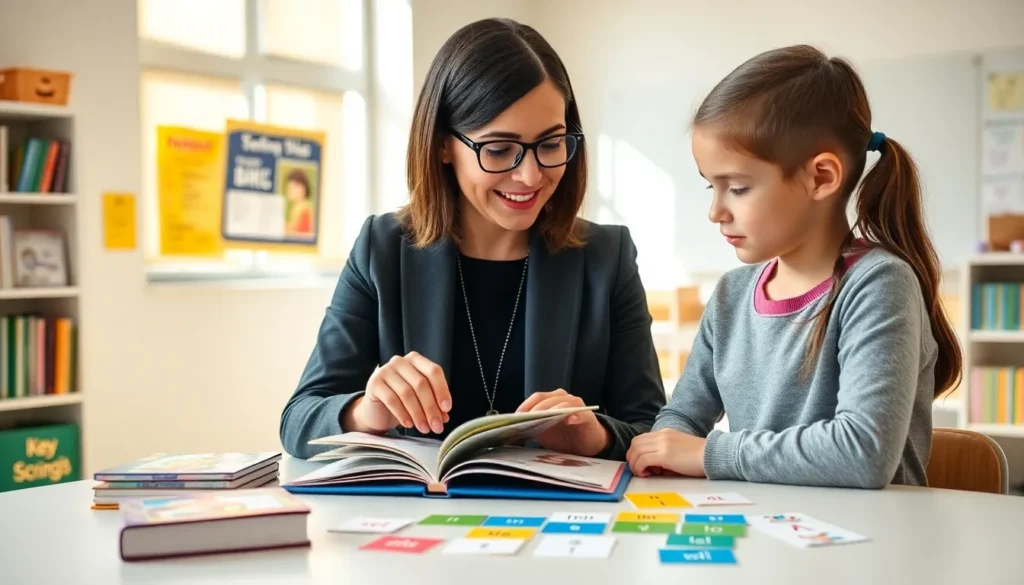
Reading remains one of the most effective toddlers tips for language development. Read the same books repeatedly, toddlers love repetition. Point to pictures. Ask simple questions. Let children turn pages and “read” familiar stories back.
Limit Screen Time
The American Academy of Pediatrics recommends limiting screen time for toddlers. Children under 18 months should avoid screens except video calls. Ages 18 to 24 months can watch high-quality programming with a parent. Two to five-year-olds benefit from one hour or less daily.
Get Outside
Outdoor play offers unique benefits. Toddlers explore nature, run off energy, and experience new textures and sounds. Even 30 minutes outside improves mood and sleep quality. Parks, backyards, and neighborhood walks all count.
Involve Toddlers in Daily Tasks
Cooking, cleaning, and gardening become learning opportunities. Let toddlers pour ingredients, wipe tables, or water plants. These activities build practical skills and make children feel capable.