Table of Contents
ToggleReading and literacy development for beginners starts earlier than most people realize. Children begin building language skills from infancy, and the right support can shape their reading success for years to come. This guide breaks down the stages of early literacy, the core skills every beginner reader needs, and practical strategies parents and educators can use today. Whether a child is just learning letter sounds or starting to read simple sentences, understanding how literacy develops makes all the difference.
Key Takeaways
- Reading and literacy development for beginners starts from infancy and follows predictable stages from pre-emergent literacy through fluent reading.
- Phonemic awareness and phonics are essential foundational skills that help children decode words and improve reading outcomes.
- Building vocabulary through conversation, reading aloud, and new experiences directly strengthens reading comprehension.
- Reading aloud daily for just ten minutes exposes children to new vocabulary and creates positive associations with books.
- Creating a literacy-rich home environment with accessible books, labeled objects, and limited screen time supports beginner readers without expensive materials.
- Patience and repetition help children build reading confidence—let them revisit favorite books and guide mistakes without frustration.
Understanding the Stages of Early Literacy Development
Literacy development follows a predictable path, though every child moves through it at their own pace. Recognizing these stages helps adults provide the right support at the right time.
Pre-Emergent Literacy (Birth to Age 3)
Babies and toddlers absorb language through listening and interaction. They learn that spoken words carry meaning, that books have pictures and text, and that reading moves from left to right. At this stage, reading aloud to children builds the foundation for everything that follows.
Emergent Literacy (Ages 3–5)
Preschoolers start recognizing letters and understanding that letters represent sounds. They may pretend to read, retell stories from memory, and begin writing their name. This is a critical window for literacy development, where exposure to books and print matters greatly.
Early Reading (Ages 5–7)
Children in this stage decode simple words by sounding them out. They recognize common sight words and start reading short sentences with support. Fluency is still developing, but comprehension grows as they connect words to meaning.
Fluent Reading (Ages 7–9)
Readers at this level move from “learning to read” to “reading to learn.” They read longer texts, understand story structure, and begin to read silently. Vocabulary expands rapidly, and children can tackle a wider range of subjects.
Understanding these stages of reading and literacy development for beginners allows caregivers to set realistic expectations and celebrate progress.
Essential Skills for Building Reading Foundations
Strong readers don’t just memorize words, they build a set of interconnected skills. Two areas stand out as essential for beginner readers.
Phonemic Awareness and Phonics
Phonemic awareness is the ability to hear and work with the individual sounds (phonemes) in spoken words. A child with strong phonemic awareness can identify that the word “cat” has three sounds: /k/, /a/, and /t/. This skill develops before formal reading instruction begins.
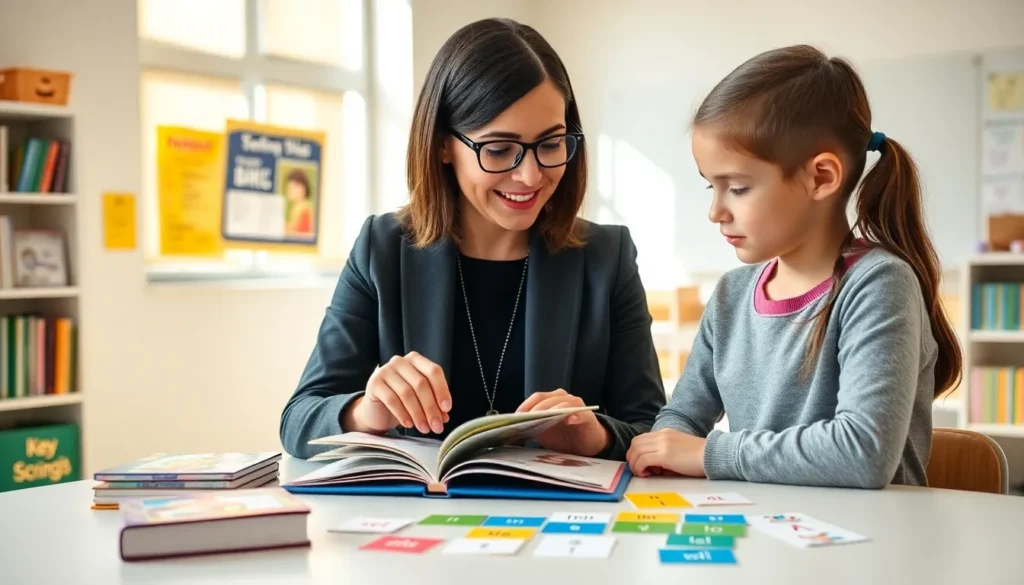
Phonics takes this further by connecting sounds to written letters. When children learn that the letter “b” makes the /b/ sound, they gain a tool for decoding new words. Research consistently shows that systematic phonics instruction improves reading outcomes, especially for beginners.
Activities like rhyming games, clapping syllables, and matching letters to sounds all strengthen these foundational skills. Without phonemic awareness and phonics, literacy development stalls.
Vocabulary and Comprehension
Decoding words means little if a child doesn’t understand them. Vocabulary, the bank of words a child knows, directly affects reading comprehension. Beginner readers with larger vocabularies understand more of what they read.
Comprehension also requires thinking skills: making predictions, asking questions, and connecting new information to what a child already knows. Even simple picture books offer opportunities to practice these skills.
Building vocabulary happens through conversation, reading aloud, and exposure to new experiences. The more words a child hears and uses, the stronger their reading and literacy development becomes.
Effective Strategies to Support Beginner Readers
Supporting literacy development doesn’t require a teaching degree. A few evidence-based strategies can make a real difference for beginner readers.
Read Aloud Daily
Reading aloud exposes children to new vocabulary, sentence structures, and ideas they can’t yet access on their own. It also builds positive associations with books. Even ten minutes a day adds up.
Ask Open-Ended Questions
Instead of asking “Did you like the story?” try “What do you think will happen next?” or “Why did the character do that?” These questions push children to think critically and engage with the text.
Encourage Writing
Reading and writing develop together. Encouraging children to write, even scribbles or invented spelling, strengthens their understanding of how letters and sounds connect. Keep paper, crayons, and markers accessible.
Be Patient with Mistakes
Beginners will stumble over words, guess incorrectly, and lose their place. That’s normal. Gently guide them back without frustration. Correction should feel like help, not criticism.
Use Repetition
Children love reading the same book over and over. This repetition builds fluency and confidence. Let them revisit favorites as often as they want.
These strategies support reading and literacy development for beginners without pressure or stress.
Creating a Literacy-Rich Environment at Home
Environment shapes behavior. A home filled with books, print, and opportunities for language builds stronger readers.
Make Books Accessible
Keep books where children can reach them, on low shelves, in baskets, or by their bed. Rotate titles to keep things fresh. Library visits introduce new options without the cost of buying.
Label Everyday Objects
Simple labels around the house (“door,” “chair,” “window”) connect print to meaning. Children begin to recognize these words in other contexts.
Model Reading
When children see adults reading, books, newspapers, recipes, or even texts, they understand that reading matters. Silent reading time for the whole family normalizes the habit.
Limit Screen Time
Screens compete for attention. While some apps support literacy, passive screen time replaces conversation and book reading. Set boundaries that protect time for language-rich activities.
Talk Constantly
Conversation builds vocabulary and listening skills. Narrate daily activities. Ask about their day. Discuss what you see on walks. Every word matters for literacy development.
A literacy-rich home doesn’t require expensive materials. It requires intention and consistency.